
Introduction
Alcohol effects on the body are often underestimated, mainly because drinking is socially accepted and considered normal, even on a daily basis.
In reality, even moderate consumption can affect the liver, metabolism, and overall health over time.
In this article, you will see real-life examples of alcohol consumption and how it accumulates throughout the day or week.
How Much Alcohol Is Considered Safe
According to general guidelines:
- 1 drink per day for women
- 1–2 drinks per day for men
One standard drink equals approximately:
- 330 ml beer
- 150 ml wine
- 40 ml spirits
Regularly exceeding these limits can negatively affect health.
Daily Consumption Examples
Morning (Rare but Exists)
- beer (330 ml) → ~13 g alcohol
Even if uncommon, some people consume alcohol early in the day.
Work Snack
- energy drink + alcohol mix → ~20–25 g
This combination is dangerous because energy drinks can mask alcohol’s effects.
Lunch (Social Drinking)
- 500 ml beer → ~20 g alcohol
- or 250 ml wine → ~24 g
Alternative Lunch (Restaurant)
- 2 beers (500 ml each) → ~40 g alcohol
Dinner
- 2 glasses of wine → ~24–30 g
- or spirits (100 ml total) → ~40 g
Evening
- beer → ~20 g
- or cocktail → ~15–25 g
Total Daily Intake
A realistic example:
- lunch → 25 g
- dinner → 30 g
- evening → 20 g
Total:
70–80 g alcohol per day
This is significantly above recommended levels.
Alcohol Content by Drink
| Drink | Estimated Alcohol |
|---|---|
| 500 ml beer | ~20 g |
| 250 ml wine | ~24 g |
| 100 ml spirits | ~40 g |
| cocktail | ~15–25 g |
| energy + alcohol | ~20–25 g |
Effects of Excess Consumption
- liver damage (fatty liver, cirrhosis)
- low energy levels
- poor sleep quality
- increased risk of dependency
- nervous system impact
Impact on the Liver (Important)
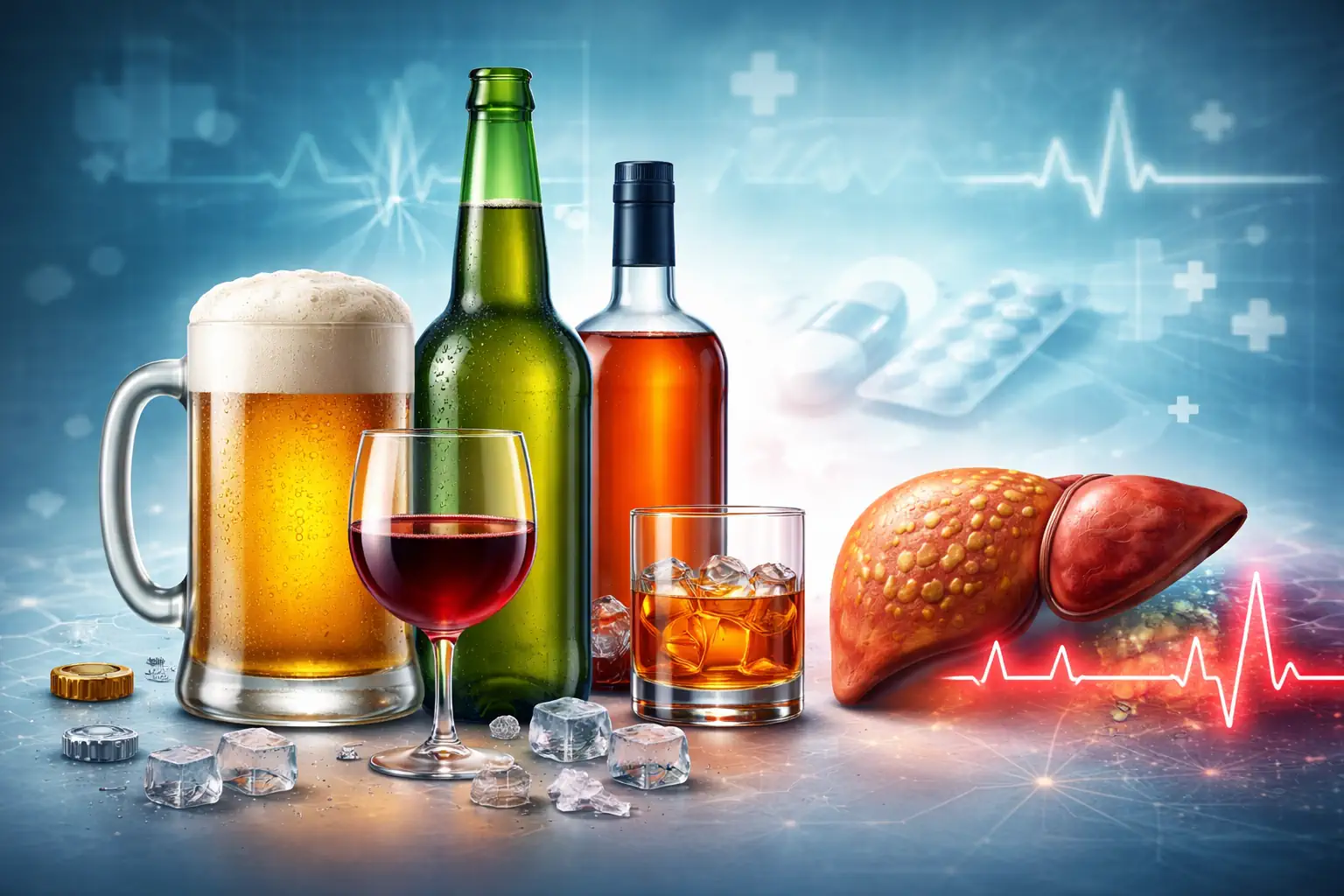
Alcohol effects on the liver are direct and cumulative.
Frequent consumption can lead to:
- fat buildup in the liver
- inflammation
- reduced liver function
- long-term damage
The liver processes alcohol directly, which makes it one of the most affected organs.
Personal Experience
From my personal experience, reducing alcohol consumption had a noticeable impact on my overall health.
At one point, I started introducing milk thistle seeds (Silybum marianum) into my routine. This plant is traditionally used to support liver health.
After making this change, I naturally reduced my alcohol intake. I still drink occasionally, but now it’s limited to a few beers once a week—not daily.
I’m not perfect, but I try to stay balanced and take care of my health.
I personally prefer using natural forms like seeds instead of pills. From what I’ve seen, natural forms may be better utilized by the body compared to highly processed supplements.
👉 READ THIS ARTICLE: How to Prepare and Consume Milk Thistle Seeds
👉 READ THIS ARTICLE: Supplements vs Natural Absorption in the Body
These are topics I’ve explored more in detail and will link for better understanding.
Of course, results can vary depending on the individual, and this does not replace medical advice.
Conclusion
Alcohol effects on the body should not be ignored.
Even “normal” consumption can become excessive when repeated daily.
Being aware of how much you drink is the first step toward a healthier lifestyle.
Reducing frequency, even slightly, can have a major impact.
FAQ
How much alcohol is safe per day?
Generally 1–2 drinks, but ideally not every day.
Is beer safer than spirits?
Not necessarily, because people tend to consume larger quantities.
Does alcohol affect the liver?
Yes, it is one of the main causes of liver damage.
Bibliography (Harvard Style)
World Health Organization (2018). Global status report on alcohol and health
NHS (2023). Alcohol units and guidelines
Harvard Health Publishing (2020). Alcohol and health risks
Legal Note
This article is for informational purposes only and does not replace professional medical advice.