
Introduction
Soft drinks effects on the body are often ignored, even though these beverages are among the most consumed products worldwide.
They may seem harmless, but in reality they contain high amounts of sugar and additives that directly affect metabolism and liver function.
In this article, you will see how much sugar you consume from soft drinks and how they impact your liver.
How Much Sugar Soft Drinks Contain
Common examples:
- 500 ml soft drink: approximately 50–55 g of sugar
- 1 liter soft drink: approximately 100 g of sugar
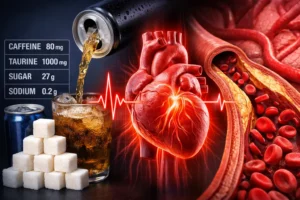
- energy drink: approximately 25–30 g of sugar
These values far exceed the recommended daily limit.
Daily Consumption and Sugar Intake
Breakfast
Coffee and soft drink
Approximately 25–30 g of sugar
This already creates a high sugar intake early in the day.
Work Snack
500 ml soft drink: approximately 50–55 g
Biscuits: approximately 20 g
Total: about 70–75 g of sugar
Lunch (Fast Food)
Burger and soft drink
Around 50 g of sugar from the drink alone
This creates a highly unbalanced meal.
Why Soft Drinks Are Dangerous
- liquid sugar is absorbed very quickly
- they do not provide real satiety
- they overload the liver
Dinner
Pizza and soft drink
Around 50 g of sugar combined with fats
Evening Snack
Soft drink and wafers
Approximately 70 g of sugar
This leads to excessive intake without realizing it.
Daily Sugar Intake from Soft Drinks
A realistic example:
- morning soft drink: 30 g
- lunch soft drink: 50 g
- evening soft drink: 50 g
Total:
around 130 g of sugar from drinks alone
Impact on the Liver (Important)
Soft drinks effects on the liver are direct and significant.
Frequent consumption may lead to:
- fat accumulation in the liver (non-alcoholic fatty liver)
- conversion of sugar into fat
- liver inflammation
- constant metabolic stress
Liquid sugar is more dangerous than solid sugar because it reaches the liver faster.
Drinks and Sugar Content
| Drink | Estimated Sugar |
|---|---|
| 500 ml soft drink | 50–55 g |
| 1 liter soft drink | ~100 g |
| energy drink | 25–30 g |
| commercial “natural” juice | 20–30 g |
Effects of Excess Consumption
- fatty liver development
- increased risk of diabetes
- weight gain
- fatigue
- metabolic imbalance
Recommended Sugar Intake
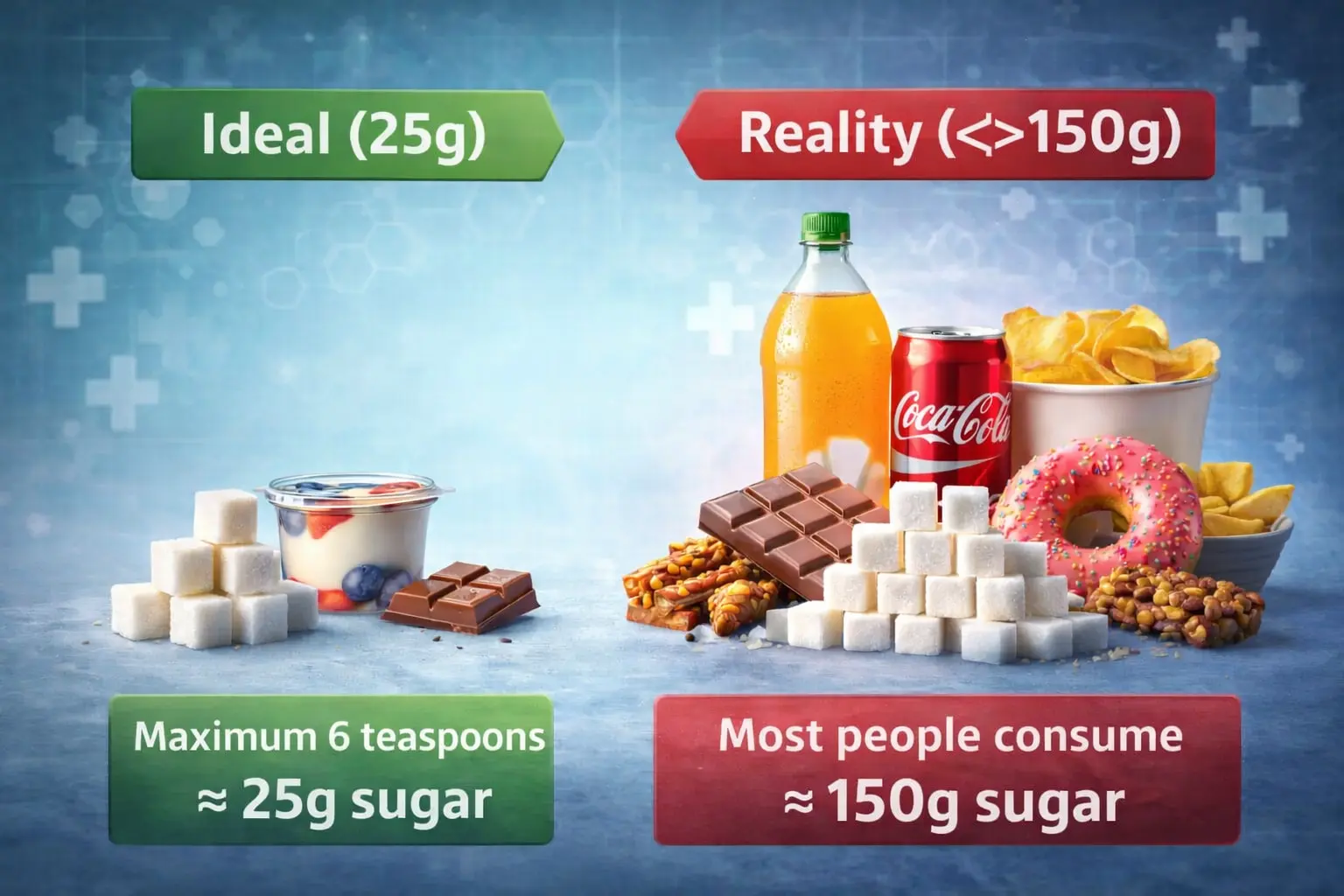
Ideal:
25 grams per day
approximately 6 teaspoons
Maximum:
50 grams per day
approximately 12 teaspoons
Reality
Most people consume between:
100 and 200 grams of sugar daily without realizing it.
Quick Example
- 500 ml soft drink: about 50 g sugar
- chocolate bar: about 25 g
- fruit yogurt: about 15 g
This already reaches around 90 g from just three products.
Personal Experience
From my personal experience, reducing sugar intake had a noticeable impact on my overall health.
I also want to mention something important for people who struggle with high sugar levels or conditions like diabetes.
One of the natural options I personally use is chaga tea.
In my case, I have seen positive effects after introducing it into my routine. Chaga is known for its potential to support blood sugar balance and overall metabolic health.
I prefer using the plant in its natural form, not capsules or pills. From what I’ve observed, natural forms seem to be better absorbed by the body compared to processed supplements.
I personally import chaga from a trusted source from the United States to Romania, as I couldn’t find the same quality locally.
👉 READ THIS ARTICLE: How Supplements vs Natural Plants Are Absorbed by the Body
👉 READ THIS ARTICLE: Chaga Tea Benefits for Blood Sugar and Health
Of course, results can vary depending on the individual, and this should not replace medical advice. But from my experience, combining lifestyle changes with natural remedies can make a real difference.r.
Conclusion
Soft drinks effects on the body are more serious than they seem.
These beverages should be reduced or eliminated as much as possible.
They are one of the main causes of modern liver problems.
The liver is the most affected organ, and the damage appears faster than many people expect.
FAQ
How much sugar is in a soft drink?
A 500 ml soft drink can contain up to 55 g of sugar.
Why do soft drinks affect the liver?
Because sugar is processed directly in the liver and converted into fat.
Are “light” drinks better?
They do not contain sugar, but they may still affect metabolism and cravings.
Bibliography (Harvard Style)
World Health Organization (2015). Sugars intake for adults and children
Harvard T.H. Chan School of Public Health (2020). Sugary drinks and health
NHS (2023). Sugar and diet
Legal Note
This article is for informational purposes only and does not replace professional medical advice.