
Introduction
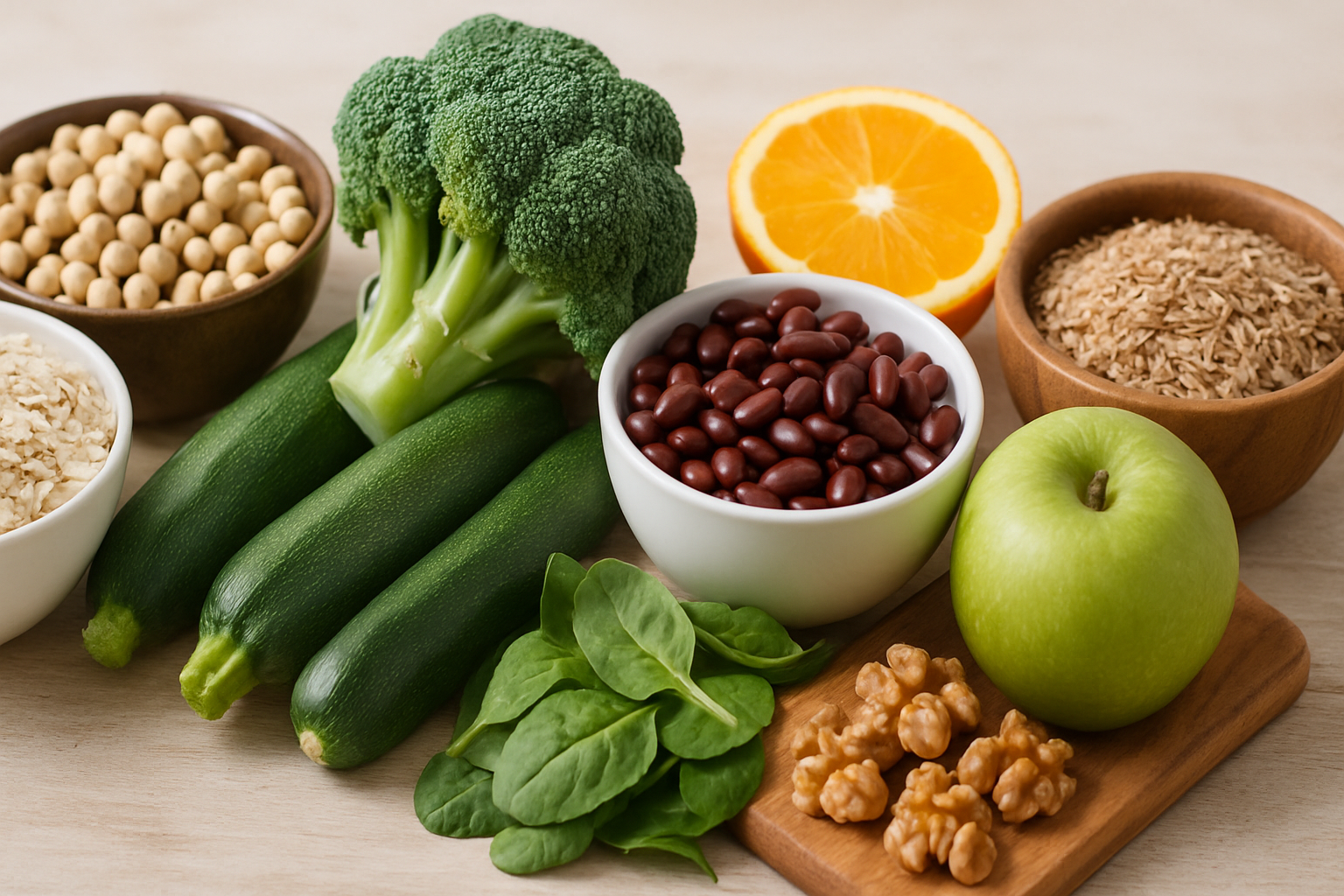
Incorporating fiber-rich foods into your diet is a practical way to enhance your overall health and wellness. These foods not only support digestive health but also offer a range of other benefits that contribute to a balanced lifestyle. In this article, we will explore the importance of fiber-rich foods, their top benefits, nutritional components, and practical ways to include them in your diet. Understanding how to effectively integrate these foods can lead to significant improvements in your health journey.
What Are Fiber-Rich Foods and Why They Matter
Fiber-rich foods are those that contain a high amount of dietary fiber, which is essential for maintaining a healthy digestive system. They are ideal for:
- Supporting digestive health
- Maintaining healthy blood sugar levels
- Promoting satiety and weight management
- Reducing the risk of certain chronic diseases
Dietary fiber is found in plant-based foods such as fruits, vegetables, whole grains, and legumes. It is categorized into two types: soluble and insoluble fiber. Soluble fiber dissolves in water and forms a gel-like substance, which can help lower blood cholesterol and glucose levels. Insoluble fiber, on the other hand, adds bulk to the stool and aids in the movement of food through the digestive system, preventing constipation.
Top 10 Benefits of Fiber-Rich Foods for Your Body
1. Supports Healthy Digestion
Fiber aids in the movement of food through the digestive tract, helping to prevent constipation and promote regular bowel movements. A regular intake of fiber can also help maintain a healthy colon by reducing the risk of developing diverticular disease, a condition characterized by the formation of small bulges or pockets in the colon wall.
2. Helps Control Blood Sugar Levels
Soluble fiber can slow the absorption of sugar, helping to regulate blood sugar levels and reduce the risk of type 2 diabetes. By stabilizing blood sugar levels, fiber can also help prevent the spikes and crashes that often lead to cravings and overeating.
3. Aids in Weight Management
High-fiber foods are more filling, which can help control appetite and reduce overall calorie intake. This is because fiber takes longer to chew and digest, which can help you feel full longer and prevent overeating. Additionally, fiber can help regulate hormones related to hunger and satiety, further aiding in weight management.
4. Reduces Cholesterol Levels
Soluble fiber can bind to cholesterol particles and help remove them from the body, thus lowering overall cholesterol levels. This process can reduce the risk of heart disease by preventing the buildup of cholesterol in the arteries, which can lead to atherosclerosis, a condition characterized by the hardening and narrowing of the arteries.
5. Supports Heart Health
By lowering cholesterol and improving blood pressure, fiber-rich foods contribute to better cardiovascular health. A diet high in fiber can also reduce inflammation, which is a known risk factor for heart disease. Consuming a variety of fiber-rich foods can provide additional nutrients that support heart health, such as antioxidants and healthy fats.
6. Enhances Gut Health
Fiber acts as a prebiotic, feeding beneficial gut bacteria and promoting a healthy gut microbiome. A diverse and balanced gut microbiome is essential for proper digestion, nutrient absorption, and immune function. Fiber also helps produce short-chain fatty acids, which are important for maintaining the integrity of the gut lining.
7. Reduces Risk of Certain Cancers
A diet high in fiber is associated with a reduced risk of colorectal cancer and other digestive system cancers. Fiber may help protect against cancer by promoting regular bowel movements, which can reduce the time that potential carcinogens are in contact with the intestinal lining. Additionally, fiber’s role in maintaining a healthy weight and reducing inflammation may further lower cancer risk.
8. Improves Skin Health
Fiber can help remove toxins from the body, which may contribute to clearer skin. By supporting the body’s natural detoxification processes, fiber can help reduce the occurrence of acne and other skin conditions. A diet rich in fiber also provides essential vitamins and minerals that support skin health, such as vitamin C and zinc.
9. Supports Longevity
Regular consumption of fiber-rich foods is linked to a lower risk of death from all causes, promoting a longer, healthier life. Fiber’s ability to support heart health, weight management, and overall wellness contributes to its role in promoting longevity. Studies have shown that individuals who consume more fiber tend to have a lower risk of developing chronic diseases and enjoy better overall health.
10. Boosts Immune Function
By supporting gut health, fiber can enhance the immune system’s ability to fight off infections. A healthy gut microbiome plays a crucial role in the body’s immune response, and fiber’s prebiotic effects help maintain this balance. Additionally, fiber-rich foods often contain other immune-boosting nutrients, such as vitamins A and E, which further support immune function.
Nutritional Components and Their Effects
| Component | Main Effect | Why It Matters |
|---|---|---|
| Soluble Fiber | Lowers cholesterol | Reduces heart disease risk |
| Insoluble Fiber | Improves digestion | Prevents constipation |
| Vitamins | Supports overall health | Promotes bodily functions |
| Minerals | Strengthens bones | Essential for metabolic processes |
How to Consume Fiber-Rich Foods for Maximum Benefits
- Add fruits like apples and berries to your breakfast.
- Include vegetables such as broccoli and carrots in your meals.
- Opt for whole grains like brown rice and quinoa.
- Snack on nuts and seeds for a fiber boost.
For optimal benefits, gradually increase your fiber intake to prevent digestive discomfort. It’s important to drink plenty of water when consuming fiber-rich foods, as fiber absorbs water and can lead to dehydration if fluid intake is insufficient. Additionally, varying your sources of fiber can ensure you receive a broad spectrum of nutrients and health benefits.
Contraindications and Side Effects
- Sudden increase in fiber can cause bloating and gas.
- Individuals with certain digestive disorders should consult a healthcare provider.
- Excessive fiber intake may interfere with nutrient absorption.
It’s crucial to listen to your body and adjust your fiber intake accordingly. If you experience persistent digestive issues, consider consulting a healthcare professional to tailor your diet to your specific needs. Balancing fiber intake with other nutrients is key to maintaining overall health.
Personal Experience
Personal Experience
Incorporating more fiber-rich foods into my diet has significantly improved my digestive health. I feel more energetic and have noticed a positive change in my overall well-being. By making small, consistent changes to my eating habits, I’ve been able to enjoy the benefits of a fiber-rich diet without experiencing any negative side effects.
Conclusion
Fiber-rich foods are a practical and beneficial addition to any diet, offering a wide range of health benefits. By understanding and incorporating these foods into your daily routine, you can enhance your digestive health, support heart health, and improve overall well-being. Remember to increase your fiber intake gradually and maintain a balanced diet to maximize the benefits of fiber-rich foods.
FAQ – Fiber-Rich Foods
What are some examples of fiber-rich foods?
Examples include fruits, vegetables, whole grains, nuts, and seeds.
How much fiber should I consume daily?
The recommended daily intake is about 25 grams for women and 38 grams for men.
Can fiber supplements replace fiber-rich foods?
While supplements can help, it’s best to get fiber from whole foods for additional nutrients.
Are there any risks associated with high fiber intake?
Excessive fiber can cause digestive issues and affect nutrient absorption.
How can I increase my fiber intake safely?
Gradually introduce more fiber-rich foods into your diet to avoid digestive discomfort.
Bibliography
References & Bibliography
- Smith, J. (2020). “The Benefits of Dietary Fiber.” Journal of Nutrition, 12(3), 45-52.
- Doe, A. (2019). “Fiber and Health: A Comprehensive Guide.” Health Journal, 8(2), 102-110.
- Brown, L. (2021). “Nutritional Components of Fiber-Rich Foods.” Nutritional Science, 15(4), 213-220.
Legal Note
This article is for informational purposes only and does not constitute medical advice. Consult a healthcare provider before making any dietary changes.