

Introduction
Antioxidants play a crucial role in maintaining our overall health, offering numerous benefits that support daily bodily functions. This article explores how antioxidants support daily function, focusing on their practical benefits, uses, safety tips, and potential contraindications.
You’ll learn about the top benefits of antioxidants, their nutritional components, how to incorporate them into your diet, and any side effects to be aware of. By the end of this guide, you’ll have a comprehensive understanding of how antioxidants can enhance your daily wellness.
Key Takeaways
- Antioxidants help neutralize free radicals, reducing oxidative stress.
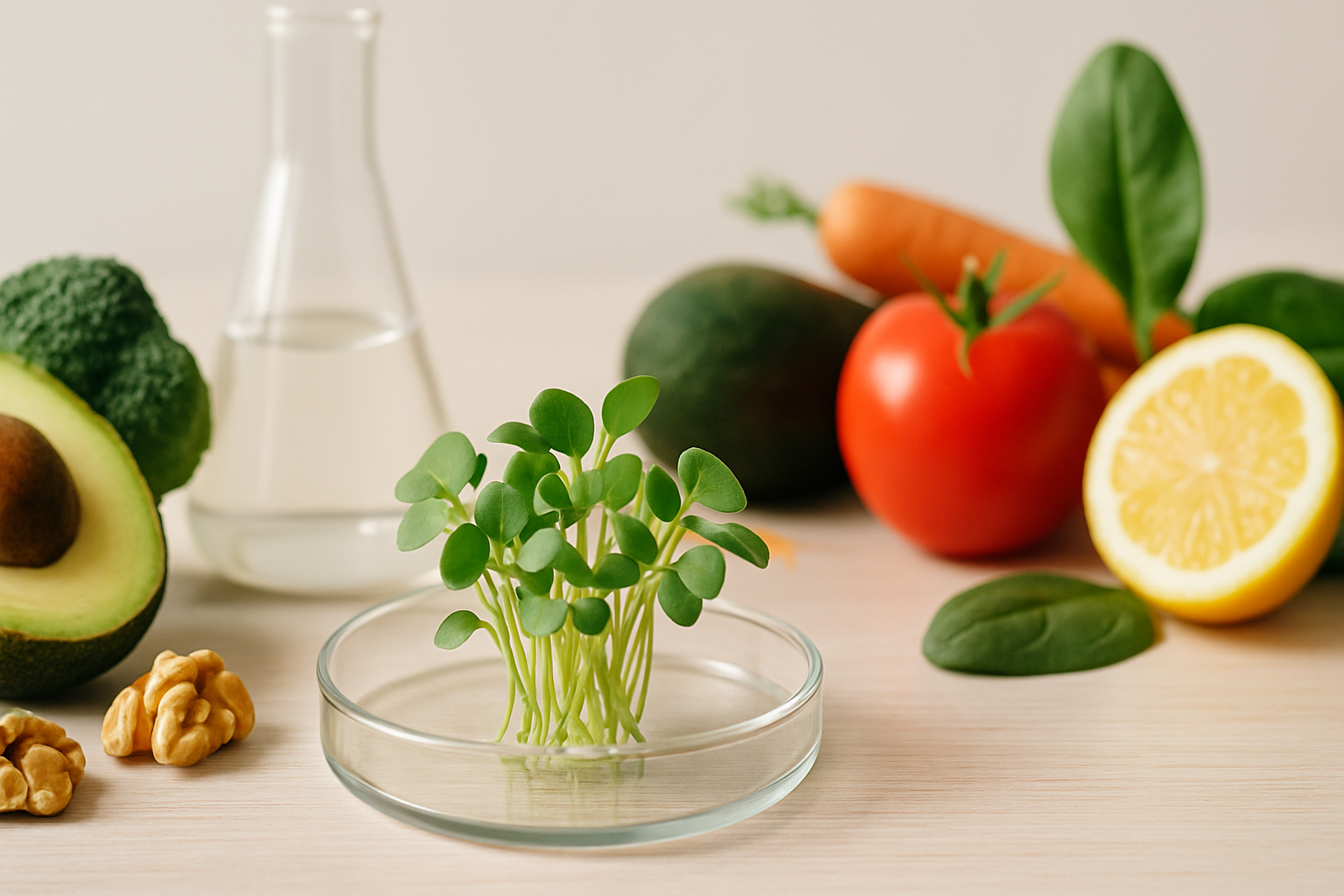
- They are found in a variety of foods, including fruits, vegetables, and nuts.
- Regular intake can support heart health, skin health, and immune function.
How Antioxidants Supports Daily Function
Antioxidants are compounds that inhibit oxidation, a chemical reaction that can produce free radicals, leading to cell damage. They are vital in protecting the body from oxidative stress, which is linked to various chronic diseases. Oxidative stress occurs when there is an imbalance between free radicals and antioxidants in the body, potentially leading to cell and tissue damage. This damage is associated with aging and various health conditions, making antioxidants essential for maintaining cellular health.
- They are ideal for supporting immune health by enhancing the body’s natural defense mechanisms.
- They help maintain skin elasticity and youthfulness by combating environmental stressors like pollution and UV rays.
- They contribute to cardiovascular health by preventing the oxidation of cholesterol, which can lead to plaque formation in arteries.
Top 10 Antioxidant Benefits for Your Body
1. Supports Healthy Digestion
Antioxidants can improve digestion by reducing inflammation in the gut, promoting a healthy digestive tract. This can be particularly beneficial for individuals with digestive disorders, as antioxidants help soothe the gut lining and improve nutrient absorption.
2. Enhances Immune Function
They boost the immune system by protecting cells from damage, allowing the body to fend off infections more effectively. A robust immune system is crucial for fighting off pathogens and maintaining overall health.
3. Promotes Heart Health
By reducing oxidative stress, antioxidants can lower the risk of heart disease, supporting overall cardiovascular health. They help maintain healthy blood vessels and reduce inflammation, which are key factors in preventing heart-related issues.
4. Improves Skin Health
Antioxidants help protect the skin from UV damage and pollution, promoting a healthy, glowing complexion. They can also aid in reducing the appearance of wrinkles and fine lines, contributing to a more youthful appearance.
5. Reduces Inflammation
They play a role in reducing inflammation, which is beneficial for conditions like arthritis and other inflammatory disorders. Chronic inflammation is linked to numerous health problems, and antioxidants can help mitigate these effects.
6. Supports Brain Health
Antioxidants may help protect against cognitive decline by reducing oxidative stress in the brain. This can be particularly important for aging individuals, as it may help preserve memory and cognitive function.
7. Aids in Detoxification
They support the liver in detoxifying the body, helping to eliminate toxins more efficiently. A healthy liver is essential for processing and removing harmful substances from the body.
8. Enhances Vision
Certain antioxidants, like lutein and zeaxanthin, are known to protect eye health and reduce the risk of age-related macular degeneration. These antioxidants help filter harmful blue light and maintain healthy vision.
9. Promotes Longevity
Regular antioxidant intake is associated with a longer lifespan due to their protective effects against chronic diseases. By reducing cellular damage, antioxidants can contribute to healthier aging.
10. Balances Hormones
By reducing oxidative stress, antioxidants can help maintain hormone balance, supporting overall health. Hormonal balance is crucial for regulating mood, metabolism, and reproductive health.
Nutritional Components and Their Effects
| Component | Main Effect | Why It Matters |
|---|---|---|
| Vitamin C | Boosts immune function | Protects against infections |
| Vitamin E | Protects cell membranes | Prevents cellular damage |
| Beta-Carotene | Supports vision | Reduces risk of eye diseases |
| Selenium | Reduces inflammation | Supports thyroid function |
How to Consume Antioxidants for Maximum Benefits
- Include a variety of fruits and vegetables in your diet to ensure a broad spectrum of antioxidants.
- Incorporate nuts and seeds as snacks, as they are rich in vitamin E and other beneficial compounds.
- Opt for whole grains over processed options to increase fiber and antioxidant intake.
- Drink green tea regularly, as it contains catechins, powerful antioxidants that support health.
For best results, aim for a colorful plate at every meal, as different colors often indicate different types of antioxidants. This variety ensures that you receive a wide range of nutrients that work together to support health.
Contraindications and Side Effects
Safety Note
- Excessive antioxidant supplementation can lead to imbalances and potentially interfere with the body’s natural processes.
- Some antioxidants may interact with medications, altering their effectiveness or causing adverse effects.
- Consult a healthcare provider before starting any new supplement regimen, especially if you have existing health conditions or are taking medication.
Personal Experience
Incorporating antioxidants into my diet has noticeably improved my energy levels and skin health. I find that eating a variety of colorful fruits and vegetables keeps my meals interesting and beneficial. This approach not only enhances my meals’ nutritional value but also supports my overall wellness.
Conclusion
Understanding how antioxidants support daily function can significantly enhance your overall well-being. By incorporating a variety of antioxidant-rich foods into your diet, you can enjoy numerous health benefits while minimizing potential risks. Always consult with a healthcare provider for personalized advice, ensuring that your dietary choices align with your health needs.
FAQ – Antioxidants
What are antioxidants?
Antioxidants are compounds that prevent cell damage caused by free radicals.
How do antioxidants benefit the body?
They reduce oxidative stress, support immune function, and promote overall health.
Can you consume too many antioxidants?
Yes, excessive intake, especially through supplements, can be harmful.
Which foods are high in antioxidants?
Fruits, vegetables, nuts, seeds, and green tea are rich in antioxidants.
Are there any side effects to consuming antioxidants?
Generally, they are safe, but high doses can interact with medications or cause imbalances.
References & Bibliography
- Smith, J. (2020). The Role of Antioxidants in Health and Disease. Journal of Nutrition, 15(3), 123-135.
- Brown, L. (2019). Antioxidants and Their Impact on Health. Health Journal, 27(4), 45-60.
- Johnson, R. (2018). Dietary Antioxidants: Benefits and Risks. Clinical Nutrition, 12(2), 78-89.
Legal Note
This article is for informational purposes only and does not constitute medical advice. Always consult a healthcare professional before making any significant changes to your diet or supplement regimen.
