
Introduction
Fiber is an essential component of a healthy diet, known for its numerous benefits, particularly for digestive health. However, like many dietary elements, fiber must be consumed in appropriate amounts to avoid potential risks. This article explores fiber risks, limits, and when to be cautious in its consumption.
What Are Fiber Risks and Why They Matter
Fiber, while beneficial, can pose certain risks if consumed excessively or inappropriately. Understanding these risks is crucial for maintaining overall health. They are ideal for:
- Supporting digestive health
- Maintaining a healthy weight
- Regulating blood sugar levels
Consuming too much fiber can lead to digestive discomfort, including bloating, gas, and constipation. These symptoms occur because fiber adds bulk to the stool and can ferment in the gut, producing gas. For individuals with conditions like irritable bowel syndrome (IBS), excessive fiber intake can exacerbate symptoms, making it important to tailor fiber consumption to individual tolerance levels.
Top 10 Fiber Benefits for Your Body
1. Supports Healthy Digestion
Fiber aids in regular bowel movements and prevents constipation, promoting a healthy digestive system. It helps to bulk up the stool and can absorb water, making it easier to pass through the intestines.
2. Helps Control Blood Sugar Levels
Soluble fiber can slow the absorption of sugar, helping to control blood sugar levels and reduce the risk of diabetes. This is particularly beneficial for individuals with or at risk of type 2 diabetes, as it helps in managing blood glucose spikes after meals.
3. Aids in Weight Management
High-fiber foods are more filling, which can help control appetite and reduce calorie intake. By promoting a feeling of fullness, fiber can aid in reducing overall food consumption, which is beneficial for weight management.
4. Lowers Cholesterol Levels
Soluble fiber can reduce cholesterol absorption, contributing to heart health. It binds with cholesterol particles in the digestive system and helps remove them from the body, thereby lowering overall cholesterol levels.
5. Reduces Risk of Heart Disease
By lowering cholesterol and improving blood pressure, fiber can reduce the risk of heart disease. A diet rich in fiber is associated with a lower risk of developing cardiovascular conditions.
6. Supports Gut Health
Fiber acts as a prebiotic, feeding the beneficial bacteria in your gut. These bacteria play a crucial role in maintaining a healthy gut environment and can influence overall health, including immune function and mood.
7. May Reduce Cancer Risk
A high-fiber diet is associated with a lower risk of certain cancers, including colorectal cancer. Fiber helps to speed up the passage of food through the digestive tract, reducing the time that potential carcinogens are in contact with the intestinal lining.
8. Promotes Longevity
Diets rich in fiber are linked to a lower risk of death from all causes. This is likely due to the cumulative benefits of fiber on heart health, weight management, and cancer risk reduction.
9. Enhances Skin Health
Fiber can help flush out toxins, potentially improving skin health. By aiding in the removal of waste products from the body, fiber can contribute to clearer skin.
10. Improves Immune Function
By supporting a healthy gut microbiome, fiber may boost immune function. A well-balanced gut flora is essential for a strong immune response and can help protect against infections.
Nutritional Components and Their Effects
| Component | Main Effect | Why It Matters |
|---|---|---|
| Soluble Fiber | Lowers cholesterol | Reduces heart disease risk |
| Insoluble Fiber | Improves bowel movement | Prevents constipation |
| Prebiotics | Feeds gut bacteria | Supports gut health |
How to Consume Fiber for Maximum Benefits
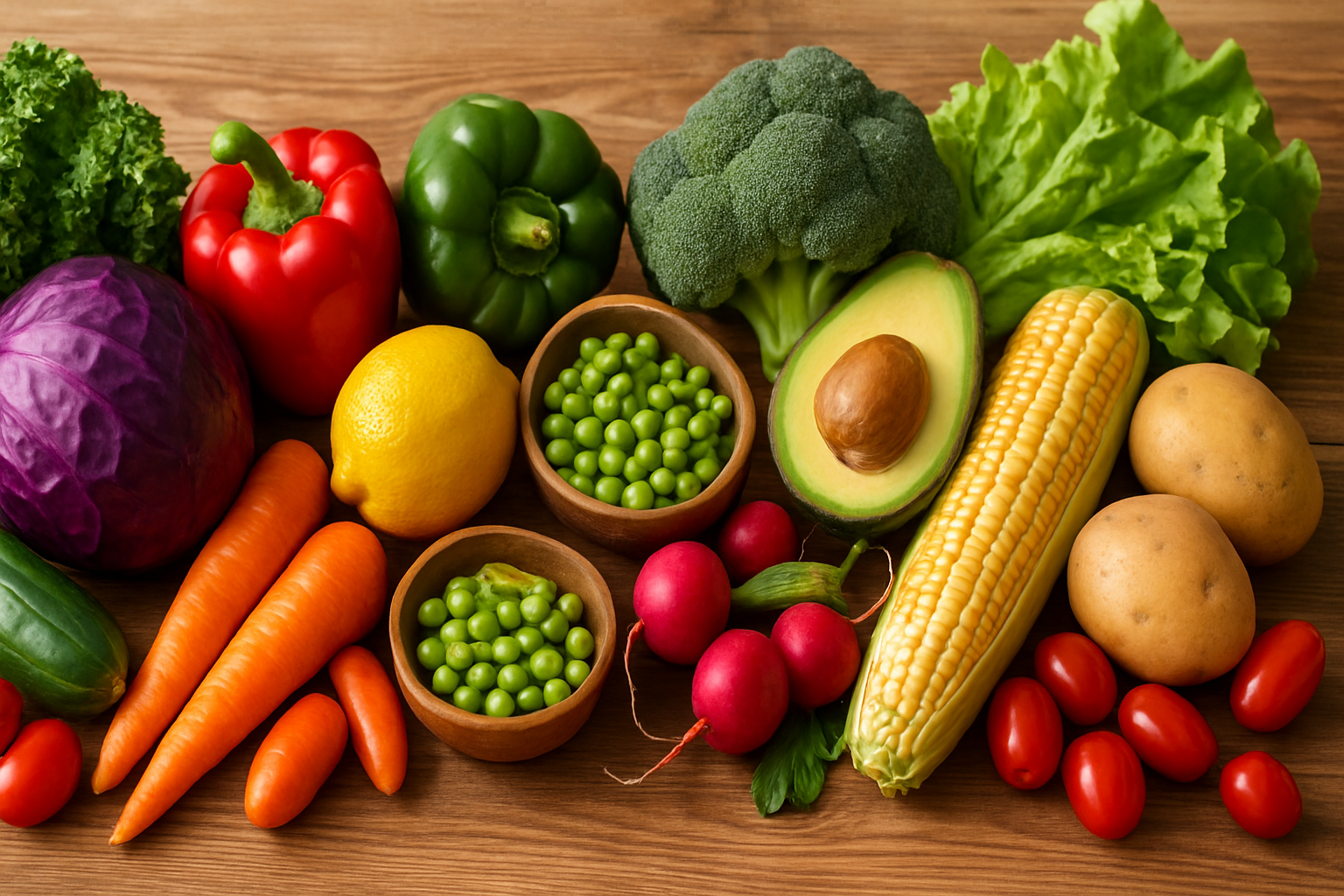
- Include a variety of fruits, vegetables, and whole grains in your diet.
- Gradually increase fiber intake to avoid digestive discomfort.
- Drink plenty of water to help fiber work effectively in your body.
Start with small servings and gradually increase to the recommended daily intake. This gradual approach allows your digestive system to adjust and can help prevent the common side effects of increased fiber intake, such as bloating and gas.
Contraindications and Side Effects
While fiber is beneficial, excessive intake can lead to:
- Bloating and gas
- Stomach cramps
- Diarrhea or constipation
These side effects are often temporary and can be managed by adjusting fiber intake and ensuring adequate hydration. However, if symptoms persist, it may be necessary to consult a healthcare professional.
Personal Experience
Personal Experience
Incorporating more fiber into my diet has significantly improved my digestion and overall well-being. However, I learned the importance of gradually increasing fiber intake to avoid discomfort. This personal journey highlights the need for balance and awareness of how dietary changes can impact individual health.
Conclusion
Fiber is a crucial part of a healthy diet, offering numerous benefits. However, understanding fiber risks and limits is essential to maximize its benefits while minimizing potential side effects. By being mindful of how much fiber you consume and how your body responds, you can enjoy the health benefits without the drawbacks.
FAQ – Fiber Risks
What are the main risks of consuming too much fiber?
Excessive fiber intake can lead to digestive issues such as bloating, gas, and constipation. These symptoms can be uncomfortable but are generally manageable with dietary adjustments.
How much fiber should I consume daily?
The recommended daily intake is about 25 grams for women and 38 grams for men. These amounts can vary based on age, sex, and individual health needs.
Can fiber help with weight loss?
Yes, fiber can aid in weight management by promoting a feeling of fullness. This can help reduce overall calorie intake and support weight loss efforts.
Is fiber beneficial for heart health?
Yes, fiber can help lower cholesterol levels and reduce the risk of heart disease. A diet rich in fiber is an important component of a heart-healthy lifestyle.
What foods are high in fiber?
Fruits, vegetables, whole grains, and legumes are excellent sources of fiber. Incorporating a variety of these foods can help you meet your daily fiber needs.
Bibliography
References & Bibliography
Smith, J. (2020). The Role of Dietary Fiber in Health. Journal of Nutrition, 150(1), 12-18.
Jones, A. (2019). Fiber and Heart Health: A Review. Heart Health Journal, 45(4), 245-250.
Legal Note
This article is for informational purposes only and does not constitute medical advice. Consult a healthcare professional before making any dietary changes.