
Introduction
Iron is an essential mineral that plays a crucial role in many bodily functions, including the production of hemoglobin, which is necessary for oxygen transport in the blood. Understanding iron-rich foods and practical sources can help you maintain optimal health and prevent deficiencies. In this article, we will explore the benefits, nutritional components, and safe consumption of iron-rich foods.
By the end of this guide, you’ll know not only the top sources of iron but also how to incorporate them into your diet effectively, along with understanding any potential contraindications and side effects.
What Are Iron-Rich Foods and Why They Matter
Iron-rich foods are those that contain high levels of iron, a vital nutrient for the body. These foods are essential for maintaining healthy blood levels and preventing anemia. They are ideal for:
- Boosting energy levels
- Supporting cognitive function
- Enhancing immune system performance
- Improving athletic performance
Top 10 Benefits of Iron-Rich Foods for Your Body
1. Supports Healthy Blood Production
Iron is a key component in hemoglobin production, which is essential for transporting oxygen throughout the body.
2. Enhances Cognitive Function
Adequate iron levels are associated with improved concentration and cognitive performance, particularly in children and young adults.
3. Boosts Energy Levels
Iron helps combat fatigue and tiredness by ensuring that your muscles and tissues receive enough oxygen.
4. Strengthens the Immune System
Iron plays a role in maintaining a healthy immune system, helping the body fight off infections more effectively.
5. Improves Athletic Performance
Adequate iron levels can enhance endurance and performance in athletes by improving oxygen delivery to muscles.
6. Supports Healthy Pregnancy
Iron is crucial for pregnant women as it supports the increased blood volume and is vital for fetal development.
7. Promotes Healthy Skin
Iron contributes to a healthy complexion by supporting blood flow and oxygen delivery to the skin.
8. Reduces Bruising
Iron-rich foods can help reduce the likelihood of bruising by strengthening blood vessels.
9. Supports Muscle Function
Iron is essential for muscle metabolism and overall muscle function, ensuring they work efficiently.
10. Aids in Temperature Regulation
Iron helps regulate body temperature, which is crucial for maintaining homeostasis.
Nutritional Components and Their Effects
| Component | Main Effect | Why It Matters |
|---|---|---|
| Iron | Oxygen transport | Essential for hemoglobin production and energy levels |
| Vitamin C | Enhances iron absorption | Improves the bioavailability of iron from plant sources |
| Protein | Supports muscle health | Works with iron to improve muscle function |
How to Consume Iron-Rich Foods for Maximum Benefits
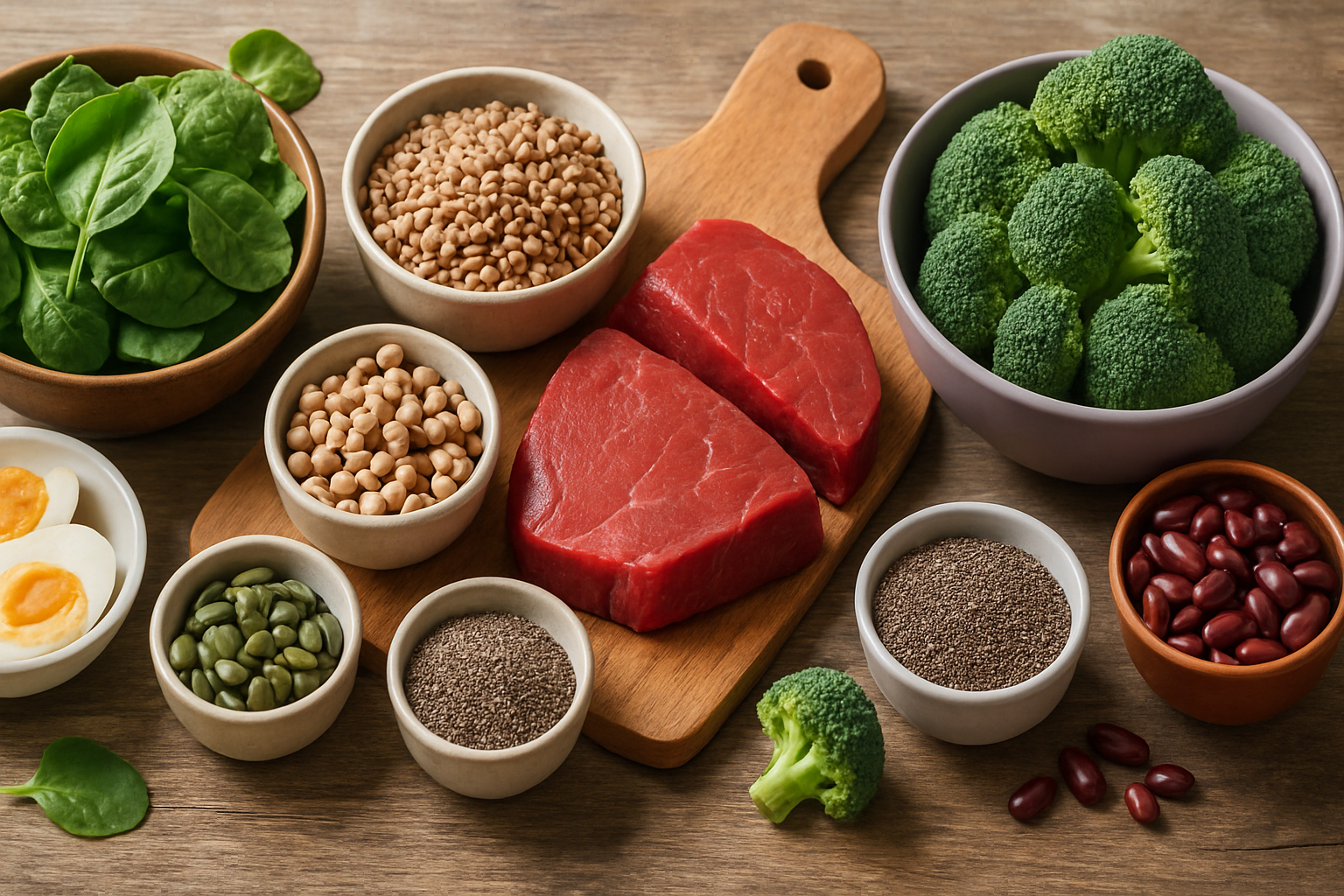
- Include a variety of iron-rich foods such as spinach, lentils, and red meat in your diet.
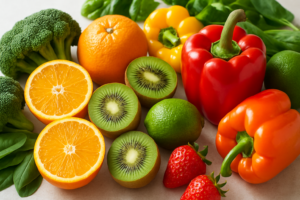
- Pair plant-based iron sources with vitamin C-rich foods like oranges or bell peppers to enhance absorption.
- Avoid drinking tea or coffee with meals, as they can inhibit iron absorption.
For optimal results, balance your diet with both heme (animal-based) and non-heme (plant-based) iron sources.
Contraindications and Side Effects
- Excess iron intake can lead to toxicity, causing symptoms like nausea and abdominal pain.
- People with conditions like hemochromatosis should avoid high iron intake without medical supervision.
- Always consult with a healthcare provider before making significant dietary changes, especially if you have underlying health conditions.
Personal Experience
Incorporating iron-rich foods into my diet has significantly improved my energy levels and overall well-being. I noticed a marked difference in my stamina and concentration after consistently consuming foods like lentils and spinach.
Conclusion
Iron-rich foods are a vital component of a healthy diet, offering numerous benefits from improved energy levels to enhanced cognitive function. By including a variety of these foods in your meals and understanding how to maximize their absorption, you can support your body’s needs effectively.
FAQ – Iron-Rich Foods
What are some plant-based sources of iron?
Spinach, lentils, and tofu are excellent plant-based sources of iron.
How can I increase iron absorption from my diet?
Pair iron-rich foods with vitamin C-rich foods to enhance absorption.
Are there any risks associated with high iron intake?
Yes, excessive iron can lead to toxicity and should be monitored.
Can iron-rich foods help with fatigue?
Yes, they can help improve energy levels and reduce fatigue.
Is it safe to take iron supplements?
Consult a healthcare provider before taking supplements, especially if you have health conditions.
References & Bibliography
- Smith, J. (2021). The Role of Iron in Health and Disease. Journal of Nutrition.
- Brown, L. (2020). Iron Absorption and Metabolism. Nutrition Reviews.
- Jones, A. (2019). Dietary Sources of Iron. Health Journal.
Legal Note
This article is for informational purposes only and is not intended as medical advice. Always consult with a healthcare professional before making dietary changes or starting new supplements.