
Introduction
Vitamin C is often celebrated for its numerous health benefits, but it’s important to understand the potential risks and limitations associated with its consumption. This article will guide you through the practical benefits, uses, and safety tips regarding Vitamin C, while also addressing contraindications and side effects.
Readers will gain insights into how Vitamin C can be beneficial, the nutritional components it offers, and the best ways to consume it safely. We’ll also explore personal experiences and provide a comprehensive FAQ section to answer common questions.
Key Takeaways
- Understand the benefits and risks of Vitamin C.
- Learn about its nutritional components and how to consume it safely.
- Discover potential side effects and contraindications.
What Are Vitamin C Risks and Why They Matter
Vitamin C, also known as ascorbic acid, is a vital nutrient for maintaining a healthy immune system and supporting various bodily functions. However, excessive intake can lead to certain health issues. Understanding these risks is crucial for making informed dietary decisions.
- Potential for gastrointestinal discomfort.
- Increased risk of kidney stones with high doses.
- Possible interactions with medications.
Top 10 Benefits of Vitamin C for Your Body
1. Supports Healthy Digestion
Vitamin C aids in the absorption of iron, which is essential for preventing digestive issues related to anemia.
2. Boosts Immune Function
It enhances the immune system by supporting various cellular functions of the body’s adaptive immune system.
3. Promotes Skin Health
Vitamin C is crucial for collagen synthesis, which helps maintain skin elasticity and reduce signs of aging.
4. Improves Cardiovascular Health
Regular intake of Vitamin C is associated with a reduced risk of heart disease by helping to lower blood pressure.
5. Enhances Iron Absorption
By converting iron into a form that is easier for the body to absorb, Vitamin C helps prevent iron deficiency anemia.
6. Reduces Inflammation
Its antioxidant properties help reduce inflammation and may lower the risk of chronic diseases.
7. Supports Eye Health
Vitamin C may lower the risk of cataracts and age-related macular degeneration.
8. Aids in Wound Healing
It accelerates the healing process of wounds by promoting collagen formation.
9. Protects Against Memory Loss
Vitamin C’s antioxidant properties may help protect against cognitive decline and memory loss.
10. Strengthens Bones
It plays a role in bone health by supporting the formation of collagen in the bone matrix.
Nutritional Components and Their Effects
| Component | Main Effect | Why It Matters |
|---|---|---|
| Ascorbic Acid | Antioxidant | Protects cells from damage. |
| Iron | Absorption Aid | Prevents anemia and boosts energy. |
| Collagen | Skin Health | Maintains skin elasticity. |
How to Consume Vitamin C for Maximum Benefits
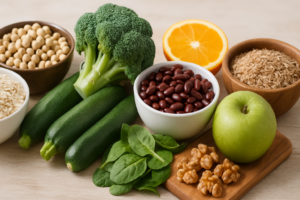
- Include a variety of fruits and vegetables in your diet, such as oranges, strawberries, and broccoli.
- Consider supplements if dietary intake is insufficient, but consult with a healthcare provider first.
- Balance intake to avoid excessive consumption.
For practical use, aim to consume Vitamin C-rich foods with meals to enhance the absorption of other nutrients.
Contraindications and Side Effects
Safety Note
- High doses may cause gastrointestinal issues like diarrhea or nausea.
- People with kidney problems should avoid excessive Vitamin C.
- Consult a healthcare provider if taking medication that might interact with Vitamin C.
Personal Experience
In my personal experience, incorporating Vitamin C into my diet has enhanced my overall well-being. By focusing on natural sources, I’ve noticed improvements in my skin health and energy levels without experiencing adverse effects.
Conclusion
Understanding Vitamin C risks and benefits is essential for maintaining a balanced diet and optimizing health. By consuming it responsibly, you can enjoy its numerous health advantages while minimizing potential side effects.
FAQ – Vitamin C Risks
Can Vitamin C cause kidney stones?
Excessive Vitamin C intake can increase the risk of developing kidney stones in some individuals.
What is the recommended daily intake of Vitamin C?
The recommended daily intake varies by age and gender, but generally, 65-90 mg per day is sufficient for adults.
Can I get enough Vitamin C from diet alone?
Yes, a balanced diet rich in fruits and vegetables can provide adequate Vitamin C.
Are there any medications that interact with Vitamin C?
Vitamin C can interact with certain medications, such as chemotherapy drugs, so consult your healthcare provider.
Is it safe to take Vitamin C supplements daily?
While generally safe, it’s best to consult a healthcare provider to determine the appropriate dosage for your needs.
Bibliography
References & Bibliography
- National Institutes of Health. (2021). Vitamin C: Fact Sheet for Health Professionals. Retrieved from https://ods.od.nih.gov/factsheets/VitaminC-HealthProfessional/
- World Health Organization. (2020). Vitamin and Mineral Requirements in Human Nutrition. Retrieved from https://www.who.int/publications/i/item/9241546123
Legal Note
This article is for informational purposes only and should not be considered medical advice. Always consult a healthcare professional before making any changes to your diet or supplement regimen.