

Introduction
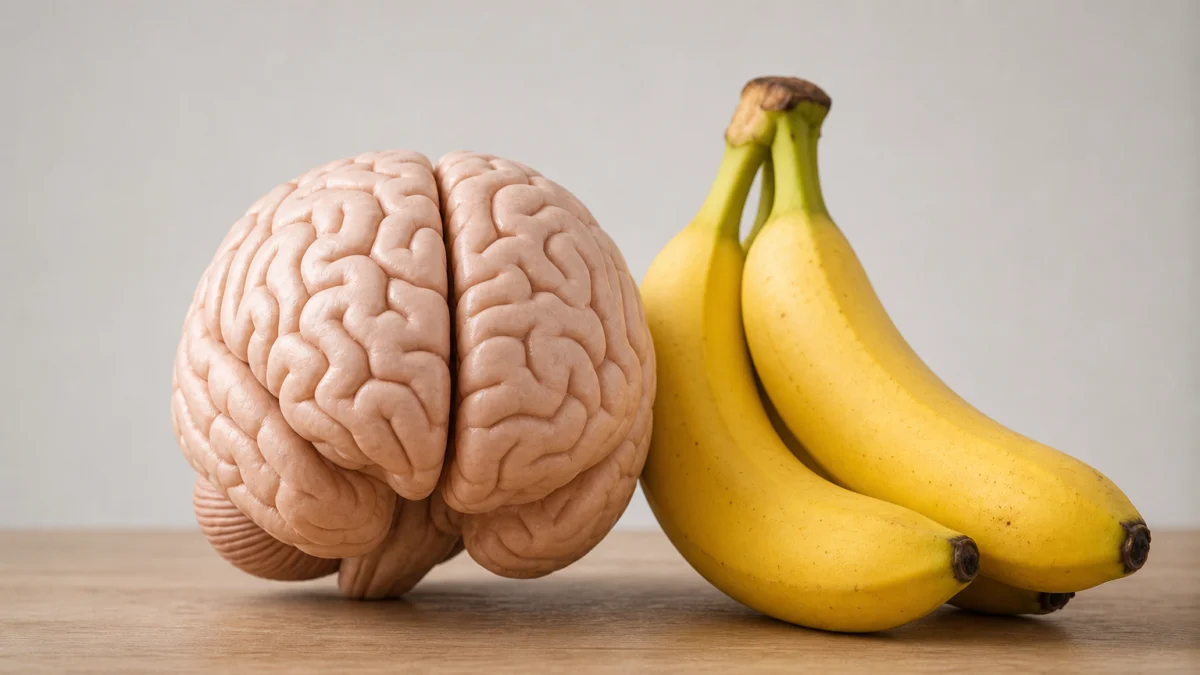
Bananas are often described as an easy, portable snack, but their role in everyday mental energy deserves a more careful look. The phrase brain food bananas help fight brain fog and protect memory is appealing because it connects a familiar fruit with two common concerns: feeling mentally sluggish and supporting long-term cognitive health.
A banana cannot diagnose, treat, or prevent memory problems, and it is not a stand-alone answer to persistent brain fog. Still, as part of a regular pattern of balanced meals, bananas can be a useful source of carbohydrate, fiber, vitamin B6, and other nutrients involved in normal energy metabolism and overall diet quality. The practical value is less about a miracle food and more about building reliable meals and snacks that help people avoid long gaps without food.
This article explains what bananas can realistically contribute, where the evidence should be interpreted cautiously, and how to use them in satisfying food combinations.
What “brain food” means in a practical diet
“Brain food” is a convenient phrase, not a scientific category. The brain depends on a steady supply of energy and on the many nutrients supplied by an overall varied diet. Sleep, hydration, stress, movement, medication, illness, and meal timing can all influence concentration and memory as well. No single ingredient can override those factors.
For food planning, a brain-supportive choice is usually one that fits into a pattern of minimally processed foods, regular meals, and adequate protein, fiber, and fluids. Bananas fit comfortably within that pattern. They are naturally sweet, require no preparation, and work in breakfast bowls, packed lunches, and simple snacks.
Key point: Bananas may support steady everyday eating habits, but they should not be presented as a cure for brain fog or a method of protecting memory on their own. The whole meal and the wider lifestyle matter most.
How bananas may support mental energy
Feeling foggy is often described as trouble focusing, slower thinking, or a sense of low mental energy. Those experiences can have many causes, so food is only one part of the picture. When hunger or irregular eating is contributing, a banana can be a convenient source of carbohydrate, the body’s readily used fuel source.
Carbohydrate-containing foods are broken down during digestion and contribute to the body’s available energy. A banana is especially useful when it replaces a skipped snack or is paired with a more substantial food. Eaten alone, it may suit a quick bite before an errand or between meals. Paired with protein or fat, it often makes a more sustaining snack for many people.
Carbohydrate and meal timing
The best approach is not to treat carbohydrate as either perfect or problematic. Instead, consider timing and context. A banana at breakfast alongside oats, yogurt, eggs, or nut butter has a different role than a banana eaten as the only food after a long, busy morning. Combining foods can make a meal more filling and provide a broader range of nutrients.
Ripeness also changes the eating experience. Firmer, less-ripe bananas tend to taste less sweet and hold their shape well in slices. Very ripe bananas are softer and sweeter, making them useful for oatmeal, smoothies, and baking. Choose the stage that fits the dish rather than assuming one is universally better.
Fiber and a more satisfying snack
Bananas contain dietary fiber, which is one reason they can feel more substantial than candy or sweet drinks. Fiber is not a shortcut to sharper thinking, but it contributes to the quality of a meal or snack. Adding foods with texture and fiber can also encourage slower, more deliberate eating, especially compared with highly processed snack foods that are easy to eat quickly.
Nutrients in bananas and their realistic role
Bananas provide several nutrients that belong in a varied diet, including vitamin B6 and potassium. Vitamin B6 participates in normal metabolic processes in the body, while potassium is an important mineral found in many fruits and vegetables. These facts do not mean that eating extra bananas will improve memory beyond what a balanced diet supports. They do explain why bananas are a useful ingredient rather than merely a sweet filler.
The nutrition of one banana varies with its size and ripeness, so exact figures are best treated as estimates unless a specific label or food database is being used. The table below focuses on food roles rather than promising cognitive outcomes.
| Banana component | Practical role in meals | Easy food pairing |
|---|---|---|
| Carbohydrate | Provides quick, accessible energy within a snack or meal. | Oats, whole-grain toast, or a smoothie base |
| Fiber | Adds texture and can make a snack feel more satisfying. | Chia seeds, berries, or nuts |
| Vitamin B6 | Contributes to the fruit’s overall nutrient profile. | Yogurt, eggs, or fortified cereal |
| Potassium | Part of the mix of minerals supplied by fruits and vegetables. | Peanut butter, milk, or a mixed-fruit bowl |
Can bananas protect memory?
It would be too strong to say that bananas protect memory in a direct or guaranteed way. Memory is shaped by age, learning, sleep, health conditions, social engagement, stress, physical activity, and the quality of the overall diet. Research on dietary patterns is more useful than claims about one fruit.
A practical interpretation is that fruit can help replace less nourishing snack choices and add variety to meals. That substitution may support a dietary pattern that is easier to maintain over time. Bananas are accessible, familiar, and versatile, which can make them a realistic part of that pattern. Their contribution is supportive and indirect, not medicinal.
If memory changes are new, worsening, or affecting work, safety, or daily life, food advice should not delay professional evaluation. Likewise, ongoing brain fog may have causes that need individual attention. A food diary or regular meal routine can be useful context, but it is not a diagnostic tool.
Ways to build a more balanced banana snack
The most useful question is often not “Should I eat a banana?” but “What can I eat with it?” Pairing a banana with protein, fat, or another fiber-rich food creates a more complete snack and adds variety to the day.
- Banana and plain yogurt: Slice a banana into yogurt and add oats or seeds for texture. Choose dairy or a suitable fortified plant-based alternative based on dietary needs.
- Banana with nut or seed butter: Spread peanut, almond, sunflower seed, or tahini-based butter on banana slices or whole-grain toast. This option contains common allergens when nuts or peanuts are used.
- Oatmeal with banana: Stir mashed ripe banana into warm oats or layer slices on top with cinnamon and chopped nuts. This is a practical breakfast when a sweeter flavor is wanted without relying only on added sugar.
- Simple smoothie: Blend banana with milk or a fortified alternative, oats, and berries. Keep portions reasonable, and include a protein source if the smoothie is intended to replace a meal.
- Frozen banana snack: Freeze peeled slices in a sealed container, then blend them into a soft dessert-style base with yogurt or berries. Use clean equipment and return leftovers to the refrigerator promptly.
Practical tip: Keep several bananas at different stages of ripeness. Use firm fruit for lunchboxes, ripe fruit for breakfast, and freeze overripe peeled slices before they are wasted.
Choosing, storing, and using bananas well
Choose bananas that match when you plan to use them. Green-tinged fruit generally needs more time on the counter. Yellow bananas are ready for most snacks, while brown-speckled fruit is ideal for mashing and baking. Surface marks do not always mean the fruit inside is unusable, but discard bananas with signs of mold, leakage, or an unpleasant odor.
Store whole bananas at room temperature while they ripen. Once ripe, refrigeration can slow further ripening, although the peel may darken. For longer storage, peel and slice bananas before freezing them in a well-sealed container or freezer bag. Frozen pieces work best in smoothies, blended desserts, and cooked recipes rather than as crisp fresh slices.
Wash hands before handling food, and rinse the outside of the banana if it will touch a cutting board or knife used for other ingredients. The peel is not normally eaten, but basic kitchen hygiene still helps prevent transfer from the exterior to prepared foods.
Limits and individual considerations
Bananas are not suitable for every eating plan in the same amount or form. People managing blood glucose may wish to consider portion size and pair fruit with protein or fat as advised by their clinician or dietitian. Anyone with an allergy to banana, latex-related food sensitivities, or a medically prescribed diet should follow individualized guidance rather than general online advice.
Digestive tolerance also varies. A large serving of any fruit, especially when eaten quickly or alongside several other fiber-rich foods, may not feel comfortable for everyone. Start with an ordinary serving and notice how it fits your own meals. There is no need to force a food that you dislike or cannot tolerate; berries, oranges, oats, beans, leafy vegetables, nuts, seeds, and many other foods can contribute to a varied diet.
FAQ
Is a banana a good breakfast for brain fog?
A banana can be a useful part of breakfast, but it is usually more satisfying when combined with foods such as yogurt, eggs, oats, nuts, or whole-grain toast. Persistent brain fog has many possible causes, so breakfast changes alone may not resolve it.
Are bananas better for memory than other fruits?
There is no simple basis for ranking bananas as the best fruit for memory. Different fruits offer different flavors and nutrient profiles. Regularly eating a variety of fruits and vegetables is a more useful goal than relying on one fruit.
Should bananas be eaten before studying or work?
A banana can be a convenient snack before a focused task, particularly if you are hungry. For longer work sessions, pair it with a protein- or fiber-rich food and remember that breaks, water, and adequate sleep also affect concentration.
Conclusion
The idea that brain food bananas help fight brain fog and protect memory is best understood as a practical food habit, not a promise. Bananas offer convenient carbohydrate, fiber, and useful nutrients, and they can make balanced breakfasts and snacks easier to prepare. Pair them with other nourishing foods, vary the fruits and vegetables you eat, and seek individual advice when brain fog or memory changes persist.
