
Introduction
Understanding how bananas impact blood sugar insulin sensitivity starts with a simple point: a banana contains carbohydrate, but its effect is not determined by sugar alone. Ripeness, portion size, the rest of the meal, and an individual’s metabolism can all influence the rise in blood glucose after eating.
Related reading: Understanding Banana & Sensitiv — How Bananas Impact Blood Sugar Insulin Sensitivity: Uses, Limits and Practical TipsComing soon
For many people, bananas can fit into a balanced eating pattern. They provide carbohydrate along with fiber and other nutrients, while their naturally sweet flavor makes them a practical snack or meal ingredient. For people monitoring glucose or working on insulin sensitivity, the useful question is usually not whether bananas are universally “good” or “bad,” but how to include them in a way that suits their needs.
This article explains the mechanisms involved, what ripeness changes, why food pairings matter, and how to make practical decisions without treating one food as the whole story.
How bananas impact blood sugar insulin sensitivity
Blood sugar refers to the amount of glucose circulating in the blood. After carbohydrate-containing foods are digested, glucose can enter the bloodstream. Insulin is a hormone that helps move glucose from the blood into cells, where it can be used or stored. Insulin sensitivity describes how effectively cells respond to that signal.
Bananas contribute carbohydrate, so they can raise blood glucose after a meal or snack. That response is expected and does not, by itself, indicate a problem. The size and speed of the response can vary. A person’s baseline glucose regulation, medication use, activity, sleep, stress, and the composition of the overall meal all matter alongside the banana itself.
It is also important to separate two related ideas. The short-term blood glucose response to a banana is about digestion and absorption after eating. Insulin sensitivity is a broader metabolic characteristic shaped by many factors over time. Eating a banana does not by itself determine whether someone is insulin sensitive or insulin resistant.
Key takeaway: Bananas are not a zero-impact food for blood glucose, but their effect is variable and context dependent. Portion, ripeness, and meal composition are often more useful considerations than broad food labels.
What in a banana affects glucose response?
Carbohydrate is the main nutritional component relevant to blood glucose. During digestion, much of the digestible carbohydrate in a banana is broken down into sugars that can be absorbed. A larger banana generally provides more carbohydrate than a smaller one, so serving size is a practical starting point for people who track their intake.
Fiber can change the eating experience and may slow the movement of food through the digestive process compared with a drink or a highly refined sweet food. Because a whole banana retains its structure and fiber, it is different from consuming banana-flavored sweets or a sweetened banana beverage. Still, fiber does not erase the carbohydrate content or guarantee the same glucose response for every person.
The physical form of the food matters as well. A whole banana is eaten slowly and requires chewing. A blended banana may be consumed more quickly, especially when combined with juice, sweetened yogurt, or other carbohydrate-rich ingredients. Blending does not automatically make a smoothie unsuitable, but it can make portions easier to increase without noticing.
Why glycemic labels are only part of the picture
Glycemic index and glycemic load are often used to describe how carbohydrate foods may affect blood glucose. These tools can offer general context, but they are not a personal prediction. Food variety, ripeness, preparation, meal composition, and individual biology can all alter the real-world response.
They also do not capture whether a person eats a food alone, after exercise, as part of breakfast, or with a mixed meal. Using these measures as one clue rather than a final verdict is generally more helpful than assigning a food a fixed metabolic label.
Ripeness changes the carbohydrate profile
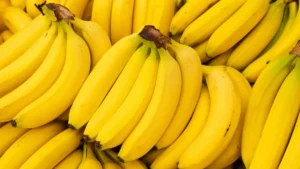
A banana changes as it ripens. Firmer, greener bananas contain more resistant starch, a type of carbohydrate that is not digested in the same way as ordinary starch in the small intestine. As bananas ripen, more starch is converted into sugars, and the fruit becomes softer and sweeter.
Related reading: benefits of bananas.
That shift can matter for people concerned about post-meal glucose. A less-ripe banana may produce a different response than a very ripe banana of the same size. However, it would be too simplistic to assume that green bananas are always the best option or that ripe bananas should always be avoided. Taste, digestive comfort, total portion, and the rest of the meal remain relevant.
| Banana characteristic | What it generally means | Practical implication |
|---|---|---|
| Smaller portion | Less total carbohydrate than a larger portion | May be easier to fit into an individualized meal plan |
| Firmer or less ripe fruit | Usually contains relatively more resistant starch | Can be an option for people who prefer a less-sweet banana |
| Very ripe fruit | Contains more sugars from starch conversion | Consider portion and pairing, especially if monitoring glucose |
| Whole banana | Retains the fruit’s natural structure and fiber | Often easier to portion than sweetened or liquid banana products |
| Banana in a mixed meal | Digestion occurs alongside protein, fat, and other foods | The response may differ from eating it alone |
Resistant starch is also an area of continuing research because it reaches the large intestine and is fermented by gut microbes. Its possible metabolic effects are of interest, but results from one food, one preparation, or one study setting should not be used to promise a specific improvement in insulin sensitivity.
Why pairings and meal timing matter
Eating a banana by itself is not the same as eating it with foods that provide protein, fat, or additional fiber. A mixed meal changes the digestive context. For example, a banana paired with plain yogurt, nuts, seeds, or a protein-rich breakfast may feel more satisfying than fruit alone and may alter the pace at which the meal is digested.
These pairings are not a cure for impaired glucose regulation, and they do not make portion size irrelevant. They are simply practical ways to build a more balanced snack or meal. Someone who finds that fruit alone leaves them hungry soon afterward may especially benefit from adding a complementary food.
Useful everyday examples
- A small or medium banana with a handful of nuts can provide a combination of carbohydrate, fat, and protein.
- Sliced banana on unsweetened oatmeal can add sweetness without relying on added sugar.
- Banana with plain Greek-style yogurt or a non-dairy protein alternative can work as a more substantial snack.
- A smoothie can be more balanced when it includes a measured banana portion, an unsweetened protein source, and ingredients such as nuts, seeds, or leafy greens rather than fruit juice.
Meal timing is personal. Some people prefer carbohydrate-containing foods around physical activity, while others may notice that breakfast or late-night snacks produce different glucose patterns. If a person uses glucose monitoring, their own readings can provide practical information, although single readings should be interpreted carefully and discussed with a qualified clinician when needed.
Bananas and long-term insulin sensitivity
Long-term insulin sensitivity is not controlled by one fruit. It is influenced by overall dietary pattern, physical activity, body composition, sleep, stress, health conditions, and, for some people, medications. A diet built mainly around minimally processed foods, adequate protein, fiber-rich plant foods, and appropriate energy intake may support broader metabolic goals, but no individual ingredient can substitute for the larger pattern.
Related reading: Bananas And Long-term Insulin Sensitivity Explained: Common Questions and MistakesComing soon
Bananas can contribute to that pattern as one fruit choice among many. Their usefulness may be practical: they are portable, naturally sweet, and easy to combine with more filling foods. Rotating fruits can also support dietary variety. Berries, citrus, apples, pears, stone fruit, and other options each bring different textures and nutrient profiles.
Claims that bananas directly “repair” insulin sensitivity or prevent a metabolic condition go beyond what a single food can reliably establish. A more accurate view is that banana choices can be adjusted within an individualized eating plan.
Practical guidance for people monitoring blood sugar
People do not need to approach bananas with fear, but a deliberate approach is reasonable when blood glucose management is a priority. Begin with a portion that fits your usual carbohydrate plan, then consider ripeness and pairing. If you prefer a sweeter, very ripe banana, combining it with a balanced meal may be more useful than eating several bananas quickly on an empty stomach.
Consistency also matters. Comparing similar portions under similar conditions can reveal more than changing several variables at once. For example, if you are monitoring glucose, try a whole banana with a usual balanced meal on one occasion rather than comparing a banana smoothie one day with a banana after a workout on another.
A practical starting point: Choose a whole banana, decide on the portion before eating, and pair it with a food that adds protein, fat, or fiber when that suits your meal. Adjust based on hunger, satisfaction, and any individualized guidance you have received.
People with diabetes, prediabetes, or another condition affecting glucose regulation may have individualized targets and medication considerations. Those who use insulin or glucose-lowering medicines should avoid making major dietary changes based solely on general articles. A registered dietitian or healthcare professional can help place fruit choices within a personal plan.
Common misunderstandings to avoid
One common misunderstanding is that naturally occurring sugar and added sugar have identical practical roles in every food. A whole banana comes with water, fiber, texture, and nutrients, whereas a sweetened processed product may have a very different overall composition. That does not make the banana “free” of carbohydrate; it means context matters.
Another is that a food must produce no glucose rise to be healthy. Carbohydrate metabolism normally involves changes in blood glucose and insulin. The more useful goal for many people is an eating pattern that supports stable energy, adequate nourishment, and glucose management appropriate to their circumstances.
Finally, do not assume that someone else’s glucose response will be yours. Individual variation is real. Personal monitoring can be informative for those who have been advised to use it, but it should complement—not replace—professional care and broader health assessment.
Conclusion
How bananas impact blood sugar insulin sensitivity depends on more than the fruit itself. Bananas contain digestible carbohydrate and can raise blood glucose, while their portion size, ripeness, whole-food form, and place within a meal can shape the response. Less-ripe fruit may offer more resistant starch, and balanced pairings can make a banana snack more satisfying.
For most readers, the sensible approach is to treat bananas as one flexible food within an overall dietary pattern rather than as a metabolic shortcut or a food to fear. If blood glucose control is a medical concern, use personalized guidance to decide what amount, ripeness, and meal context work best for you.