
Introduction
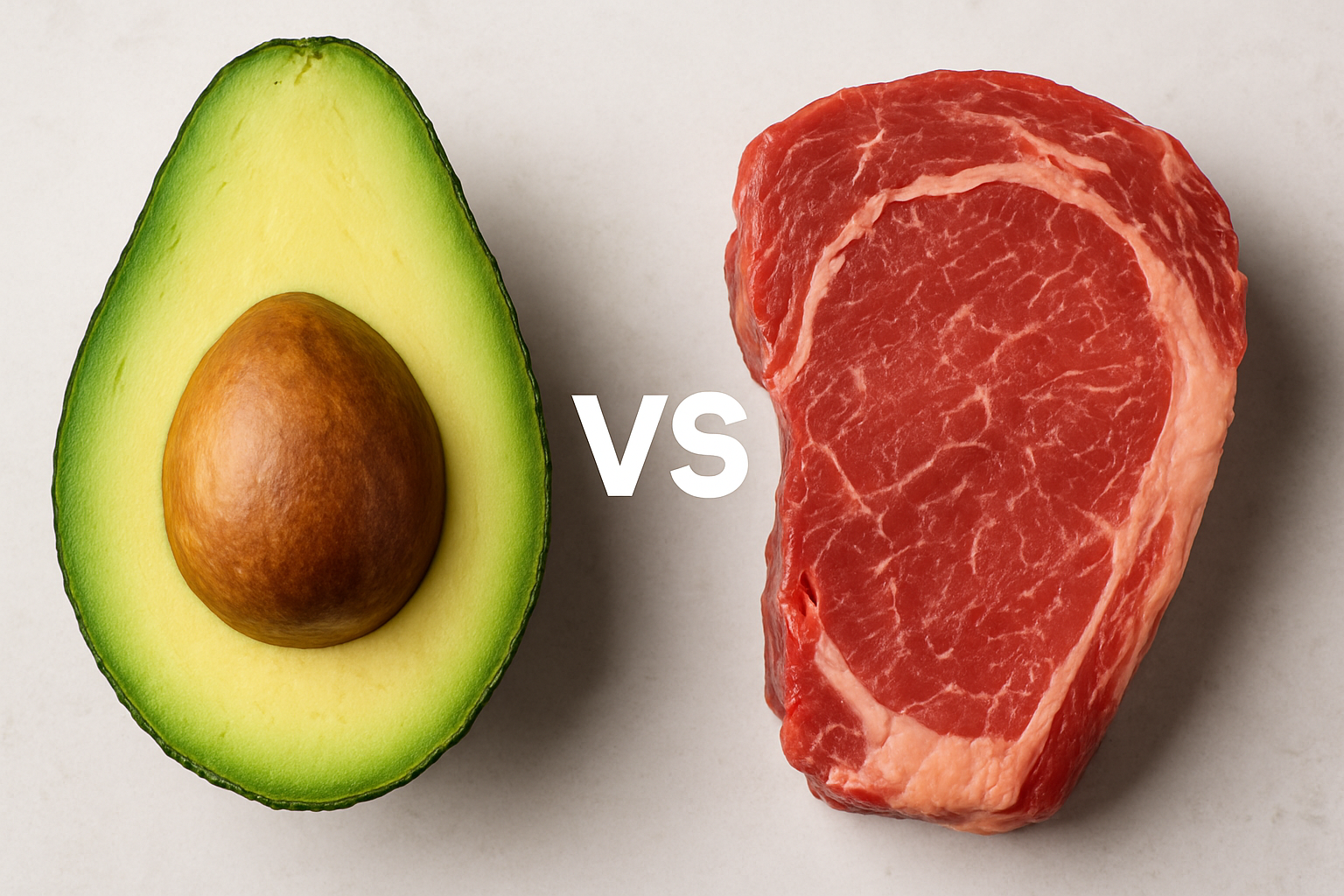
When it comes to dietary choices, understanding the nutritional differences between common foods can be crucial for making informed decisions. In this article, we will explore the nutritional differences between avocados and meat. By examining their unique nutritional profiles, you can better understand which might suit your dietary needs and preferences.
Understanding Avocado and Meat
Avocados and meat are both popular food items, but they differ significantly in their nutritional content. Avocados are fruits known for their creamy texture and healthy fats, while meat is a primary source of protein and other essential nutrients. This fundamental difference in their nutritional composition makes them suitable for different dietary goals and preferences.
Key Nutritional Differences
To better understand how avocados and meat compare nutritionally, let’s examine their key components:
| Nutrient | Avocado | Meat |
|---|---|---|
| Calories | 160 per 100g | 250 per 100g (average for beef) |
| Protein | 2g per 100g | 26g per 100g |
| Fat | 15g per 100g (mostly healthy fats) | 20g per 100g (saturated and unsaturated) |
| Fiber | 7g per 100g | 0g per 100g |
| Vitamins & Minerals | Rich in Vitamin K, E, C, B5, B6, Potassium | Rich in B Vitamins, Iron, Zinc |
Exploring the Nutritional Profiles
Avocados are often celebrated for their high content of monounsaturated fats, which are considered heart-healthy. These fats can help reduce bad cholesterol levels, potentially lowering the risk of heart disease. Additionally, avocados are a good source of dietary fiber, which aids in digestion and can contribute to a feeling of fullness, making them a popular choice for those looking to manage their weight.
On the other hand, meat, particularly red meat, is renowned for its high protein content. Protein is essential for muscle growth, repair, and maintenance. It also plays a crucial role in the production of enzymes and hormones. Meat is also a significant source of iron, which is vital for the formation of red blood cells and the prevention of anemia. However, the type of fat found in meat can vary, with some cuts containing higher levels of saturated fats, which should be consumed in moderation to maintain heart health.
Pros and Cons
Avocado
Pros: Avocados are high in healthy fats, fiber, and several vitamins, making them beneficial for heart health and digestion. The presence of potassium in avocados helps regulate blood pressure, while the antioxidants present can reduce inflammation.
Cons: Despite their many benefits, avocados are relatively low in protein compared to meat. This can be a drawback for individuals who require higher protein intake for muscle building or repair.
Meat
Pros: Meat is high in protein and essential nutrients like iron and zinc, which are important for muscle growth and repair. The B vitamins found in meat are crucial for energy production and maintaining brain health.
Cons: Meat is higher in calories and saturated fats, which may impact heart health if consumed in excess. Additionally, some studies suggest that high consumption of red and processed meats may be linked to certain health risks, though evidence is not definitive.
Which Option Fits Different Goals?
Choosing between avocado and meat depends on your dietary goals:
- For Protein: Meat is the better choice due to its high protein content, making it ideal for those looking to build muscle or increase their protein intake.
- For Healthy Fats: Avocado is ideal, offering monounsaturated fats that support heart health. It is particularly beneficial for individuals following a heart-healthy diet.
- For Fiber: Avocado is a superior choice, as it contains dietary fiber that aids in digestion and helps maintain a healthy gut.
- For Vitamins: Both offer unique vitamins; choose based on specific nutritional needs. Avocados provide vitamins beneficial for skin health and immune function, while meat offers nutrients essential for energy and red blood cell production.
Practical Considerations and Limitations
When incorporating avocados or meat into your diet, it’s important to consider portion sizes and preparation methods. Avocados, while nutritious, are calorie-dense, so moderation is key, especially for those monitoring their calorie intake. Similarly, choosing lean cuts of meat and cooking methods that minimize added fats can help maintain a balanced diet.
For those following specific dietary patterns, such as vegetarian or vegan diets, avocados can be an excellent source of healthy fats and certain vitamins. However, they may need to seek alternative protein sources to meet their nutritional requirements. Conversely, individuals on high-protein diets may prioritize meat but should be mindful of the types of meat consumed and their overall dietary balance.
Conclusion
Understanding the nutritional differences between avocado and meat can help you make informed dietary choices. While meat is rich in protein and certain minerals, avocado provides healthy fats and fiber. Depending on your nutritional goals, you might choose one over the other or include both in a balanced diet. Ultimately, the choice between avocado and meat should align with your personal health objectives, dietary preferences, and lifestyle needs.
Additional Insights
When considering the environmental impact, avocados and meat also differ significantly. The production of meat, especially beef, is often associated with higher greenhouse gas emissions, land use, and water consumption compared to avocados. This environmental aspect might influence the decision for those who prioritize sustainability in their dietary choices.
Moreover, cultural and ethical considerations can play a role in the choice between avocados and meat. Some individuals may choose to avoid meat for ethical reasons related to animal welfare, while others might prioritize local and seasonal produce, which can include avocados depending on the region.
In terms of culinary versatility, both avocados and meat offer unique options. Avocados are commonly used in salads, sandwiches, and smoothies, providing a creamy texture and rich flavor. Meat, on the other hand, is a staple in many traditional dishes across various cuisines, offering a wide range of preparation methods from grilling to stewing.
Ultimately, whether you choose avocado, meat, or a combination of both, understanding their nutritional profiles and considering your personal goals and values will guide you in making the best dietary choices for your lifestyle.
Environmental and Ethical Considerations
While the nutritional aspects of avocados and meat are often the primary focus, it’s also important to consider their environmental and ethical implications. The production of meat, particularly beef, has been associated with significant environmental impacts, including high greenhouse gas emissions, extensive land use, and considerable water consumption. These factors contribute to a larger carbon footprint compared to plant-based foods like avocados.
For individuals concerned with sustainability, avocados may present a more environmentally friendly option, although they are not without their own environmental challenges, such as the water usage required for cultivation. However, the overall impact is generally lower than that of meat production.
Ethically, some people choose to avoid meat due to concerns about animal welfare and the conditions in which livestock are raised. This ethical consideration can be a deciding factor for those who prioritize humane treatment of animals in their dietary choices.
In contrast, avocados do not involve animal husbandry, making them a more appealing option for vegetarians and vegans. However, ethical sourcing of avocados is also crucial, as the demand for this fruit has led to issues such as deforestation and labor exploitation in some regions.
Culinary Versatility and Cultural Significance
Avocados and meat each bring unique culinary possibilities to the table. Avocados are celebrated for their creamy texture and rich flavor, making them a versatile ingredient in a variety of dishes. They can be used in salads, sandwiches, smoothies, and even desserts, offering a healthy and delicious addition to meals.
Meat, on the other hand, is a staple in many traditional dishes across various cultures. From grilling and roasting to stewing and braising, meat can be prepared in numerous ways, providing a wide range of flavors and textures. Its role in cultural and familial traditions often makes it an integral part of many people’s diets.
For those exploring global cuisines, both avocados and meat offer exciting opportunities to experiment with flavors and cooking techniques. Whether it’s a classic guacamole or a hearty beef stew, these ingredients can enhance the culinary experience and bring diverse tastes to the table.
Conclusion
In conclusion, the choice between avocado and meat involves more than just nutritional considerations. While meat offers high protein content and essential nutrients, avocados provide healthy fats and fiber, making each suitable for different dietary goals. Additionally, environmental, ethical, and culinary factors can influence personal preferences and dietary decisions.
Ultimately, whether you prioritize protein, healthy fats, sustainability, or cultural traditions, understanding the differences between avocados and meat can help you make informed choices that align with your values and lifestyle. By considering these factors, you can create a balanced and satisfying diet that meets your nutritional needs and supports your overall well-being.
Verified Webography
Source records verified through PubMed/NCBI or Crossref by WP-AI-Drafter:
- Leontopoulos S, Skenderidis P, Petrotos K et al. (2021) “Corn Silage Supplemented with Pomegranate (Punica granatum) and Avocado (Persea americana) Pulp and Seed Wastes for Improvement of Meat Characteristics in Poultry Production.” Molecules (Basel, Switzerland). PMID: 34641445. PubMed
- Forestell CA, Moding KJ, Barrett KJ et al. (2026) “Factors associated with caregivers’ decisions about when to introduce meat to their infants and toddlers.” Appetite. PMID: 40945587. PubMed
- Getahun A, Kechero Y, Yemane N et al. (2025) “Nutritional evaluation and potential of locally available alternative feed resources for sustainable poultry production: a case study of smallholder farms in central and Southern Ethiopia.” Tropical animal health and production. PMID: 40691548. PubMed
- Clarke AE, LeBeau KS, Oda K et al. (2024) “The Effect of Daily Avocado Intake on Food and Nutrient Displacement in a Free-Living Population with Abdominal Obesity.” Current developments in nutrition. PMID: 39886351. PubMed
- Getahun A, Kechero Y, Yemane N et al. (2026) “Fruit and Vegetable Peels as Alternative Feed for Sustainable Poultry Production: A Solution for Small-Scale Farms in Central and Southern Ethiopia.” Veterinary medicine and science. PMID: 41553170. PubMed
- Momin SR, Senn MK, Manichaikul A et al. (2023) “Dietary Sources of Linoleic Acid (LA) Differ by Race/Ethnicity in Adults Participating in the National Health and Nutrition Examination Survey (NHANES) between 2017-2018.” Nutrients. PMID: 37375683. PubMed