
Introduction
Poppy seeds have long been cherished in culinary traditions around the world. Known for their subtle nutty flavor and crunchy texture, these tiny seeds are a staple in many dishes. In this article, we explore the various culinary uses of poppy seeds, their nutritional benefits, and practical tips for incorporating them into your meals.
What Are Poppy Seeds and Why They Matter
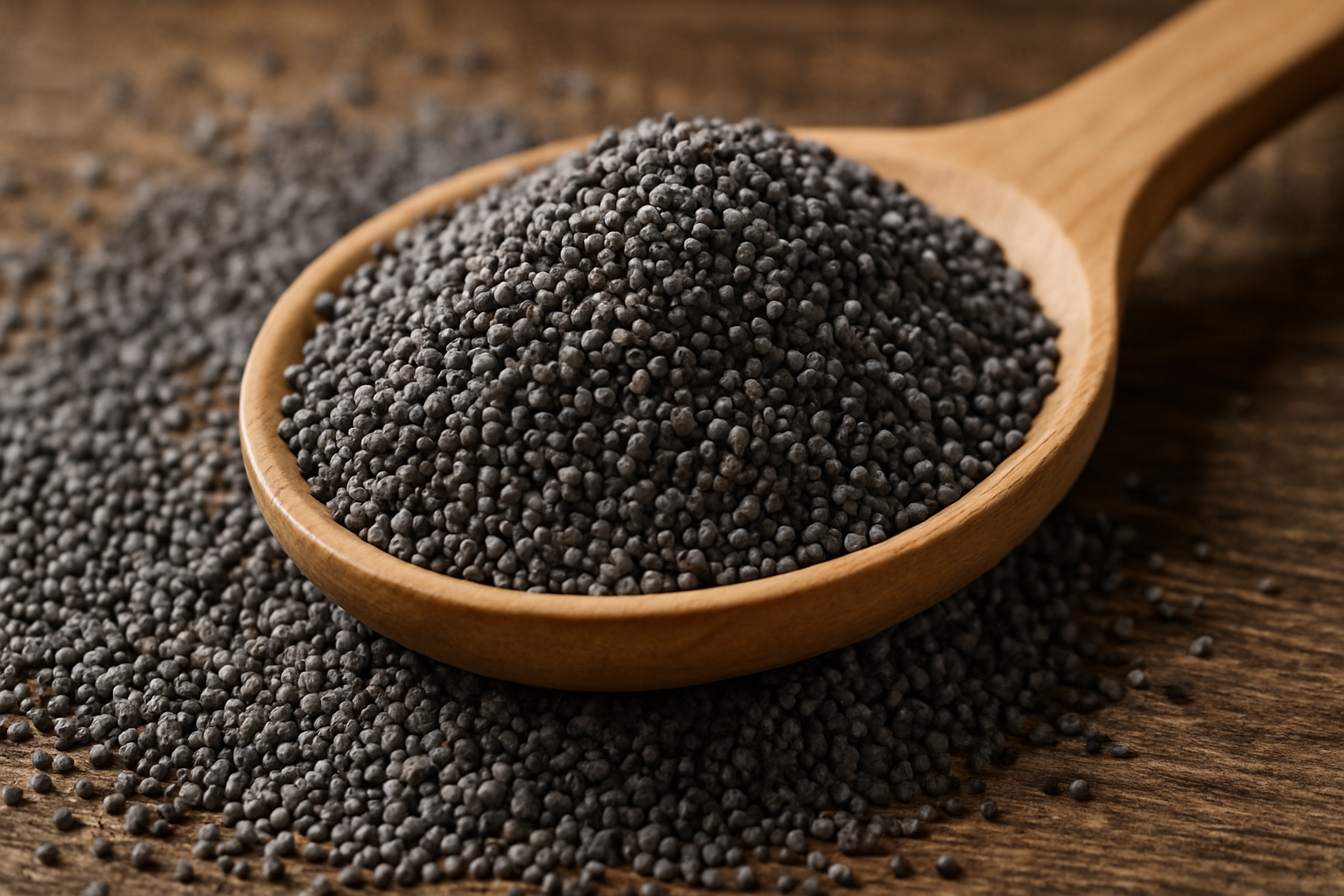
Poppy seeds are small, oil-rich seeds derived from the opium poppy plant. Despite their association with opium, the seeds themselves contain negligible amounts of opiates and are safe for culinary use. They are ideal for:
- Adding texture to baked goods
- Enhancing flavor in savory dishes
- Garnishing salads and desserts
- Infusing oils and dressings
Their versatility and unique flavor profile make poppy seeds a favorite among chefs and home cooks alike. They have been used in cooking for centuries, with evidence of their use dating back to ancient civilizations. The seeds are harvested from the dried seed pods of the poppy plant, and they come in a variety of colors, including white, blue, and black, each with its own subtle flavor differences.
Top 10 Culinary Benefits of Poppy Seeds
1. Enhances Flavor
Poppy seeds add a unique nutty flavor to dishes, making them a popular choice for both sweet and savory recipes. Their mild yet distinctive taste can elevate the flavor profile of various dishes, from pastries to curries. For instance, poppy seed muffins and cakes are beloved for their rich, nutty undertones. The seeds’ flavor can be enhanced by toasting them lightly, which releases their natural oils and intensifies their aroma.
2. Adds Crunch
The seeds provide a delightful crunch, perfect for topping breads, muffins, or salads. This textural contrast can enhance the eating experience, making dishes more interesting and enjoyable. A sprinkle of poppy seeds on a fresh salad or a warm loaf of bread can transform a simple dish into something special. The crunchiness of poppy seeds is particularly appreciated in baked goods, where it adds a satisfying bite.
3. Versatile Ingredient
Poppy seeds can be used in a wide range of dishes, from baked goods to curries and salad dressings. Their ability to blend seamlessly into both sweet and savory recipes makes them a versatile pantry staple. Whether you’re making a traditional poppy seed roll or experimenting with new recipes, these seeds can add depth and complexity to your creations. They can also be ground into a paste for use in sauces and fillings, offering a different texture and flavor profile.
4. Rich in Nutrients
They are a good source of essential nutrients like calcium, iron, and zinc, contributing to a balanced diet. These nutrients play a crucial role in maintaining bone health, supporting the immune system, and aiding in the production of red blood cells. Incorporating poppy seeds into your diet can help ensure you’re getting these important nutrients. For example, the high calcium content in poppy seeds is beneficial for bone strength, while iron is vital for preventing anemia.
5. Supports Healthy Digestion
The fiber content in poppy seeds aids in digestion, promoting a healthy gut. Fiber is essential for maintaining regular bowel movements and preventing constipation. By adding poppy seeds to your meals, you can boost your fiber intake and support your digestive health. This is particularly beneficial for individuals looking to improve their digestive regularity and overall gut health.
6. Boosts Energy
Rich in healthy fats and carbohydrates, poppy seeds can provide a natural energy boost. These macronutrients are essential for fueling the body and maintaining energy levels throughout the day. Including poppy seeds in your breakfast or snacks can help keep you energized and focused. For instance, adding them to a morning smoothie or yogurt can provide a sustained energy release.
7. Enhances Aesthetic Appeal
Their small size and dark color make them an attractive garnish for various dishes. Poppy seeds can add visual interest to your meals, making them more appealing and appetizing. Whether you’re garnishing a dessert or a savory dish, these seeds can enhance the overall presentation. Their contrasting color can make dishes visually striking, adding to the dining experience.
8. Easy to Store
Poppy seeds have a long shelf life when stored properly, making them a convenient pantry staple. To maintain their freshness, store them in an airtight container in a cool, dry place. This ensures that you always have a supply of poppy seeds on hand for your culinary needs. Proper storage also prevents the seeds from going rancid, preserving their flavor and nutritional value.
9. Gluten-Free
As a naturally gluten-free ingredient, they are suitable for those with gluten sensitivities. Poppy seeds can be used in gluten-free baking and cooking, providing a safe and delicious option for those with dietary restrictions. They can be incorporated into gluten-free bread, cakes, and pastries, adding flavor and texture without the risk of gluten exposure.
10. Complements Other Flavors
The mild flavor of poppy seeds complements a variety of other ingredients, enhancing overall taste profiles. They pair well with citrus, honey, and spices, making them a versatile addition to many recipes. Whether you’re making a lemon poppy seed cake or a savory curry, these seeds can enhance the flavors of your dish. Their ability to balance and enhance other flavors makes them a valuable ingredient in both traditional and modern cuisine.
Nutritional Components and Their Effects
Poppy seeds are packed with essential nutrients that offer various health benefits. Here is a closer look at their nutritional components:
| Nutrient | Amount per 100g | Health Benefits |
|---|---|---|
| Calcium | 1438 mg | Supports bone health |
| Iron | 9.76 mg | Essential for blood production |
| Zinc | 7.9 mg | Boosts immune function |
| Fiber | 19.5 g | Aids digestion |
These nutrients make poppy seeds a valuable addition to a healthy diet. Calcium is crucial for maintaining strong bones and teeth, while iron is necessary for producing hemoglobin, the protein in red blood cells that carries oxygen throughout the body. Zinc plays a vital role in immune function, wound healing, and DNA synthesis. Fiber, as mentioned earlier, supports digestive health and can help prevent chronic diseases such as heart disease and diabetes. The combination of these nutrients in poppy seeds makes them a powerful addition to meals, contributing to overall health and well-being.
How to Consume Poppy Seeds for Maximum Benefits
Incorporating poppy seeds into your diet is easy and can be done in various ways:
- Add to baked goods like breads and muffins.
- Sprinkle over salads for added texture.
- Incorporate into sauces and dressings.
- Use as a garnish for desserts.
For best results, toast the seeds lightly before use to enhance their flavor and aroma. Toasting releases the natural oils in the seeds, intensifying their nutty taste and making them more aromatic. This simple step can make a significant difference in the flavor of your dishes. Additionally, grinding poppy seeds can release more of their oils, offering a different texture and flavor profile that can be particularly effective in certain recipes, such as fillings for pastries or as a base for sauces.
Contraindications and Side Effects
While poppy seeds are generally safe for consumption, there are a few considerations to keep in mind:
- May cause allergic reactions in some individuals.
- Excessive consumption can lead to digestive issues.
- Should be consumed in moderation by those with a history of kidney stones.
Allergic reactions to poppy seeds are rare but possible. Symptoms may include itching, swelling, and difficulty breathing. If you experience any of these symptoms after consuming poppy seeds, seek medical attention immediately. Additionally, due to their high oil content, consuming large amounts of poppy seeds can cause digestive discomfort. It’s important to enjoy them in moderation as part of a balanced diet. Those with a history of kidney stones should be cautious, as the seeds contain oxalates, which can contribute to stone formation in susceptible individuals.
Conclusion
Poppy seeds are a versatile and nutritious addition to any kitchen. Whether you’re looking to enhance the flavor of your dishes or add a nutritious boost, these tiny seeds offer a range of culinary benefits. Remember to enjoy them in moderation to fully appreciate their unique qualities. With their rich history and diverse uses, poppy seeds continue to be a beloved ingredient in kitchens around the world. Their ability to complement a wide range of flavors and their nutritional benefits make them a valuable component of both traditional and modern culinary practices.
FAQ – Poppy Seeds
Are poppy seeds safe to eat?
Yes, poppy seeds are safe for culinary use and contain negligible amounts of opiates.
Can poppy seeds cause allergies?
Some individuals may experience allergic reactions to poppy seeds. It is advisable to consume them with caution if you have known allergies.
How should poppy seeds be stored?
Store poppy seeds in an airtight container in a cool, dry place to maintain freshness.
Verified Webography
Source records verified through PubMed/NCBI or Crossref by WP-AI-Drafter:
- Charles W Bamforth (2026) “Fermentation for Your Culinary Delight.” Crossref indexed publication. DOI: 10.1093/9780197800027.001.0001. DOI / Publisher
Legal Note
This article is for informational purposes only and does not constitute medical advice. Always consult a healthcare provider for dietary recommendations.