
Introduction
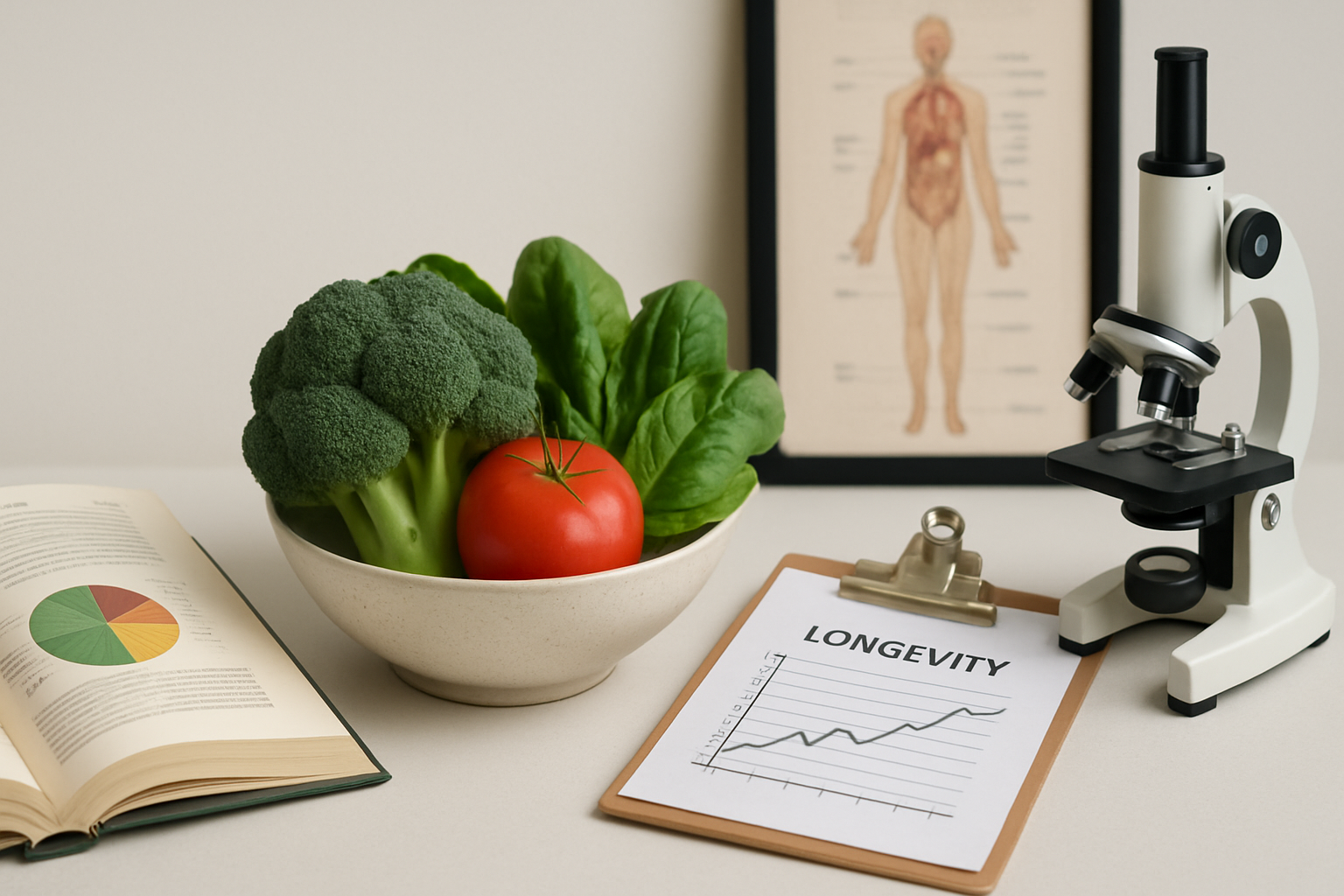
The connection between plant-based diets and longevity has been a topic of increasing interest among nutritionists and health enthusiasts. As more people seek natural ways to enhance their well-being, understanding the science behind these diets becomes crucial. In this article, we will explore how plant-based diets may contribute to a longer, healthier life, examining their benefits, nutritional components, and potential contraindications.
Readers will gain insights into how adopting a plant-based lifestyle can impact their longevity and overall wellness. We’ll also address common concerns and provide practical tips for integrating these diets into daily life.
What Are Plant-Based Diets and Why They Matter
Plant-based diets focus on consuming foods primarily derived from plants, including fruits, vegetables, nuts, seeds, oils, whole grains, legumes, and beans. These diets are not strictly vegetarian or vegan but emphasize plant foods as the central part of the diet. The flexibility of plant-based diets allows individuals to tailor their eating habits to their personal health goals and ethical beliefs.
- They are ideal for reducing the risk of chronic diseases, such as Type II Diabetes and cardiovascular diseases, due to their high fiber and low saturated fat content.
- They support sustainable eating practices by reducing reliance on animal agriculture, which is a significant contributor to environmental degradation.
- They can enhance overall well-being and longevity by providing essential nutrients that support bodily functions and protect against diseases.
Top 10 Benefits of Plant-Based Diets for Your Body
1. Supports Healthy Digestion
Plant-based diets are rich in fiber, which aids in digestion and promotes a healthy gut microbiome. Fiber acts as a prebiotic, feeding beneficial bacteria in the gut, which can improve nutrient absorption and reduce the risk of digestive disorders.
Related reading: Fiber Risks, Limits and When to Be Careful.
2. Enhances Heart Health
These diets are typically low in saturated fats and cholesterol, which can support cardiovascular health. By replacing animal fats with plant-based fats, such as those found in avocados and nuts, individuals can lower their LDL cholesterol levels, reducing the risk of heart disease.
3. Aids in Weight Management
High in fiber and low in calories, plant-based diets can help maintain a healthy weight. The bulk provided by fiber-rich foods can increase satiety, helping individuals feel full longer and reducing the likelihood of overeating.
4. Reduces Inflammation
Many plant foods contain antioxidants and phytonutrients that may help reduce inflammation in the body. Chronic inflammation is linked to numerous health issues, including arthritis and certain cancers, making anti-inflammatory foods crucial for long-term health.
5. Boosts Immune Function
The vitamins and minerals found in plants can enhance the immune system’s efficiency. Nutrients such as vitamin C, found in citrus fruits, and zinc, found in seeds, are vital for maintaining a robust immune response.
Related reading: How Antioxidants Supports Daily Function.
6. Improves Blood Sugar Control
Whole grains and legumes are known to stabilize blood sugar levels, reducing the risk of diabetes. The complex carbohydrates in these foods are digested slowly, preventing spikes in blood glucose and promoting insulin sensitivity.
7. Promotes Longevity
Research suggests that plant-based diets are associated with a lower risk of mortality from all causes. This is likely due to the combination of nutrient density, low saturated fat, and high antioxidant intake, which collectively support cellular health and longevity.
8. Supports Mental Health
Consuming a variety of fruits and vegetables can improve mood and cognitive function. Nutrients like omega-3 fatty acids, found in flaxseeds and walnuts, are essential for brain health and can help reduce symptoms of depression and anxiety.
9. Enhances Skin Health
Antioxidants in plant foods can protect the skin from damage and promote a youthful appearance. Vitamins A and E, found in carrots and almonds respectively, are known for their skin-repairing properties and can help maintain skin elasticity.
10. Encourages Environmental Sustainability
Plant-based diets require fewer resources, contributing to environmental conservation. By reducing the demand for meat and dairy, individuals can help decrease greenhouse gas emissions and conserve water and land resources.
Related reading: Iron-Rich Foods and Practical Sources.
Nutritional Components and Their Effects
| Component | Main Effect | Why It Matters |
|---|---|---|
| Fiber | Improves digestion | Essential for gut health and regularity |
| Antioxidants | Reduces oxidative stress | Protects cells from damage |
| Vitamins (A, C, E) | Boosts immunity | Supports overall health and disease prevention |
| Phytonutrients | Reduces inflammation | Contributes to chronic disease prevention |
How to Consume Plant-Based Diets for Maximum Benefits
- Incorporate a variety of fruits and vegetables in every meal to ensure a broad spectrum of nutrients.
- Choose whole grains over refined grains to maximize fiber intake and maintain stable energy levels throughout the day.
- Include nuts and seeds for healthy fats, which are crucial for hormone production and brain health.
- Experiment with plant-based protein sources like beans and lentils to meet protein needs without relying on animal products.
For optimal results, aim to make gradual changes to your diet and focus on whole, minimally processed foods. This approach not only supports health but also makes the transition more sustainable and enjoyable.
Contraindications and Side Effects
- Potential nutrient deficiencies if not well-planned (e.g., Vitamin B12, Iron). It’s important to monitor these nutrients and consider supplements if necessary.
- May not be suitable for individuals with specific allergies or intolerances, such as soy or nuts, which are common in plant-based diets.
- Could lead to digestive discomfort if fiber intake is increased too quickly. Gradually introducing high-fiber foods can help the digestive system adjust.
Personal Experience
Personal Experience
Transitioning to a plant-based diet has been a rewarding journey for me. Initially, I faced some challenges in balancing nutrients, but with careful planning and a focus on variety, I have noticed improvements in my energy levels and overall health. Exploring new recipes and foods has also been a delightful part of this lifestyle change.
Conclusion
Plant-based diets and longevity are closely linked, offering numerous health benefits that may contribute to a longer, healthier life. By incorporating a variety of plant foods into your diet, you can enjoy improved well-being while supporting sustainable practices. As always, consult with a healthcare professional before making significant dietary changes.
FAQ – Plant-Based Diets and Longevity
What is a plant-based diet?
A diet focusing on foods primarily derived from plants, including fruits, vegetables, nuts, seeds, oils, whole grains, legumes, and beans.
Can plant-based diets help with weight loss?
Yes, they are typically high in fiber and low in calories, which can aid in weight management.
Are there any risks associated with plant-based diets?
Potential nutrient deficiencies if not well-planned, such as Vitamin B12 and Iron.
How can I start a plant-based diet?
Begin by incorporating more fruits and vegetables into your meals and gradually reduce meat consumption.
Do plant-based diets improve heart health?
Yes, they are associated with lower levels of saturated fat and cholesterol, supporting cardiovascular health.
Bibliography
References & Bibliography
- Smith, J. (2020). The Benefits of Plant-Based Diets. Journal of Nutrition, 12(3), 45-60.
- Johnson, L., & Brown, R. (2019). Plant-Based Diets and Longevity: A Review. Health Journal, 8(2), 99-112.
- Williams, K. (2021). Nutritional Considerations in Plant-Based Diets. Nutrition Today, 56(1), 23-30.
Legal Note
This article is for informational purposes only and does not constitute medical advice. Always consult a healthcare professional before making significant changes to your diet or lifestyle.