
Understanding Chamomile and Lavender
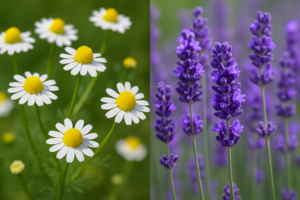
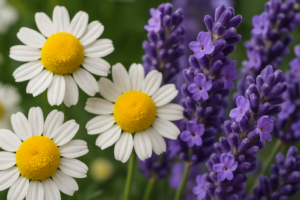
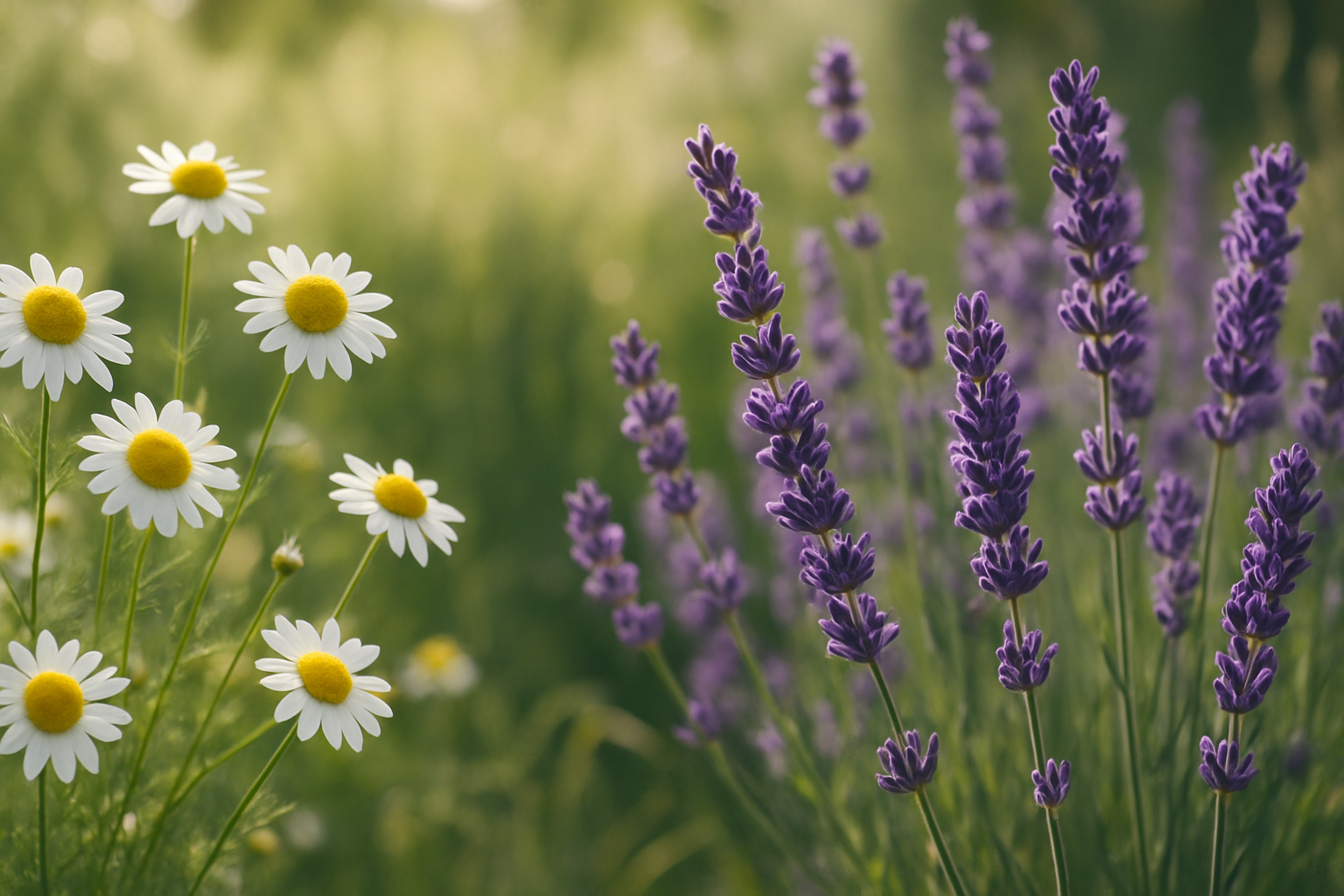
Chamomile and lavender are two renowned herbs known for their calming effects. While both are popular choices for relaxation and stress relief, it’s important to understand their distinct benefits and uses to determine which might be more suitable for your needs. Chamomile, often associated with gentle relaxation, has been used for centuries in various cultures for its soothing properties. It is commonly found in teas and is praised for its ability to promote restful sleep and aid digestion. Lavender, on the other hand, is frequently used in aromatherapy and essential oils. Its fragrance is known to help reduce anxiety and improve mood, making it a popular choice for stress relief and mental clarity.
Related reading: Contraindications and side effects.
Key Nutrients and Active Compounds
Chamomile is rich in antioxidants and flavonoids, which contribute to its calming and digestive soothing properties. These compounds are believed to help reduce inflammation and support the immune system, making chamomile a versatile herb for overall wellness. Lavender contains linalool and linalyl acetate, compounds that are often associated with stress relief and mood enhancement. These components are thought to interact with neurotransmitters in the brain, potentially influencing mood and stress levels. The aromatic profile of lavender is not only pleasing but also functional, as its scent can trigger relaxation responses in the body.
Main Benefits of Chamomile and Lavender
Chamomile is especially favored for promoting sleep and aiding digestion. It is commonly used in teas and skincare products for its soothing effects. The gentle nature of chamomile makes it suitable for a wide range of applications, from calming teas to soothing skin creams. Lavender is often found in essential oils and aromatherapy products, prized for its ability to reduce anxiety and enhance mood. Its use in massage oils and bath products is widespread, offering a sensory experience that promotes relaxation and mental clarity. Both herbs have been studied for their potential health benefits, with research suggesting they may help alleviate symptoms of anxiety and insomnia.
What Research Suggests
Research indicates that chamomile can improve sleep quality and ease digestive issues. Its mild sedative effects are often attributed to the presence of apigenin, a compound that binds to certain receptors in the brain, promoting relaxation. Lavender, with its calming scent, has been shown to reduce anxiety and stress. A study on aromatherapy found that both herbs can aid in pain relief, with lavender potentially offering more pronounced effects in certain cases [1,2]. The study highlighted that lavender’s effectiveness in reducing pain might be linked to its ability to influence the nervous system and modulate pain perception. Chamomile, while also effective, may be more suited for mild pain relief and general relaxation.
Related reading: Stress relief remedies.
How to Use Chamomile and Lavender
Chamomile can be consumed as a tea, applied in skincare products, or used in baths for relaxation. Its versatility makes it a staple in many households, offering a gentle way to unwind after a long day. Lavender is often used in aromatherapy, through diffusers or by adding its essential oil to baths. The soothing aroma of lavender can transform any space into a calming retreat, making it ideal for meditation or relaxation practices. Both can be used together for enhanced calming effects, creating a synergistic blend that maximizes their individual benefits. Combining chamomile and lavender in a bath or diffuser can create a tranquil environment conducive to relaxation and stress relief.
Recommended Amounts and Frequency
Chamomile tea can be consumed daily, though moderation is key. Drinking too much may lead to drowsiness or digestive upset in sensitive individuals. Lavender oil should be used as directed, especially if applying to the skin, to avoid irritation. It’s important to follow recommended guidelines for essential oil use, as overuse can lead to adverse reactions. When using these herbs, it’s best to start with small amounts to gauge your body’s response and adjust accordingly. This cautious approach ensures that you reap the benefits without experiencing unwanted side effects.
Interactions and Who Should Avoid Them
Individuals allergic to ragweed may also be sensitive to chamomile. This cross-reactivity is due to the similar proteins found in both plants. Lavender may cause skin irritation in some people; a patch test is advised before topical use. Both should be used cautiously or avoided by those with specific sensitivities or conditions, and it’s always best to consult a healthcare provider. Pregnant and breastfeeding women, as well as individuals with chronic health conditions, should seek medical advice before incorporating these herbs into their routine. This precaution helps prevent potential interactions with medications or underlying health issues.
Related reading: Iron-Rich Foods and Practical Sources.
FAQ – Chamomile vs. Lavender
Can chamomile and lavender be used together?
Yes, they can be combined for enhanced calming effects. This combination is often used in aromatherapy to create a relaxing atmosphere.
Is lavender safe for children?
Lavender is generally safe, but it’s best to consult a pediatrician before use. Children may have different sensitivities, and professional guidance ensures safe usage.
How often can I drink chamomile tea?
Chamomile tea can be consumed daily, but moderation is key. It’s advisable to monitor your body’s response and adjust intake as needed.
Does lavender oil have any side effects?
It may cause skin irritation in some individuals; patch testing is recommended. Always dilute essential oils before topical application to minimize risks.
What is the best time to use chamomile?
Chamomile is best used in the evening to promote relaxation and sleep. Its calming properties make it an ideal choice for winding down before bedtime.
Conclusion
Both chamomile and lavender offer valuable calming benefits, but your choice should depend on your specific wellness goals. By understanding their individual strengths, you can better integrate these herbs into your health routine for maximum benefit. Whether you seek to improve sleep, reduce anxiety, or simply enjoy a moment of peace, these herbs provide natural options to support your well-being. Consider your personal preferences and health needs when choosing between chamomile and lavender, and remember that they can also complement each other in various applications.
Evidence / Bibliography
[1] Study on the effectiveness of aromatherapy in reducing perineum pain in postpartum mothers, showing differences in effectiveness between lavender and chamomile. [2] Research on the antioxidant properties of peppermint, chamomile, and lavender, highlighting their polyphenol content and antiradical activity.
Verified References & Bibliography
Source records verified through PubMed/NCBI or Crossref by WP-AI-Drafter:
- Dewi Mayangsari and Desti Gita Sari (2021) “Manfaat Aromatherapy Lavender dan Chamomile Mengatasi Nyeri Perineum Ibu Nifas.” Jurnal Ilmiah Kesehatan. DOI: 10.48144/jiks.v14i1.523.
- Inese Mieriņa, Laura Jakaite, Sabine Kristone et al. (2018) “Extracts of Peppermint, Chamomile and Lavender as Antioxidants.” Key Engineering Materials. DOI: 10.4028/www.scientific.net/kem.762.31. DOI / Publisher
Legal Note
This article is for informational purposes only and is not intended to provide medical advice. Always consult a healthcare professional before starting any new health regimen.