
Introduction
Throughout history, ancient healing plants have been revered for their potential health benefits and therapeutic properties. As modern wellness trends increasingly embrace natural remedies, these time-honored botanicals are gaining renewed attention. In this article, we explore the significance of ancient healing plants and examine their potential role in contemporary wellness.
Explore the fascinating world of ancient healing plants and discover how they might contribute to a healthier lifestyle. From their historical uses to their modern applications, these plants hold a wealth of potential for those seeking natural wellness solutions. You might also be interested in exploring our guide to herbal teas for more natural health options.
- Ancient healing plants have been used for centuries in traditional medicine systems.
- They offer a range of potential health benefits, from supporting digestion to enhancing immunity.
- Understanding their nutritional components can help maximize their benefits.
Understanding Ancient Healing Plants
Ancient healing plants are botanicals that have been used for medicinal purposes for centuries. They are integral to various traditional medicine systems, such as Ayurveda and Traditional Chinese Medicine. These plants are valued for their potential to support health and well-being naturally. If you’re interested in herbal medicine, our article on traditional herbal practices can provide further insights.
- They are ideal for promoting natural wellness.
- They offer a holistic approach to health.
- They may provide alternative options to conventional medicine.
The use of these plants is not just limited to traditional practices; they are increasingly being integrated into modern wellness routines. This integration is often driven by a growing interest in holistic health approaches that emphasize the body’s natural ability to heal and maintain balance. As such, ancient healing plants are often seen as complementary to conventional treatments, offering a broader spectrum of care.
Top 10 Benefits of Ancient Healing Plants
1. Supports Healthy Digestion
Many ancient healing plants, such as ginger and peppermint, have been traditionally used to aid digestion and alleviate gastrointestinal discomfort. Ginger, for instance, is often recommended for its ability to soothe nausea and promote the movement of food through the digestive tract. Peppermint, on the other hand, is known for its calming effect on the stomach muscles, which can help relieve symptoms of irritable bowel syndrome.
2. Boosts Immune Function
Plants like echinacea and elderberry are believed to enhance the immune system, helping the body ward off infections. Echinacea is often used during the cold and flu season as a preventive measure, while elderberry is popular for its potential to reduce the duration and severity of cold symptoms.
3. Reduces Inflammation
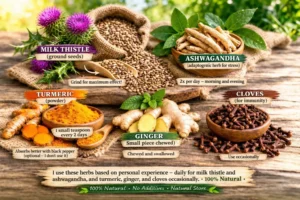
Turmeric and its active compound curcumin are renowned for their anti-inflammatory properties, which may help reduce chronic inflammation. Chronic inflammation is linked to various health issues, including arthritis and heart disease, making turmeric a valuable addition to a wellness regimen.
4. Enhances Mental Clarity
Ginkgo biloba is often used to improve cognitive function and memory, making it a popular choice for mental clarity. It is believed to enhance blood circulation to the brain, which can support mental alertness and focus.
5. Provides Antioxidant Protection
Many ancient plants, such as green tea, are rich in antioxidants, which protect cells from oxidative stress and damage. Antioxidants play a crucial role in maintaining cellular health and can help prevent the onset of chronic diseases.
6. Promotes Relaxation and Stress Relief
Herbs like chamomile and lavender are known for their calming effects, helping to reduce stress and promote relaxation. Chamomile tea is often consumed before bedtime to aid sleep, while lavender oil is commonly used in aromatherapy for its soothing properties.
7. Supports Cardiovascular Health
Garlic has been used for its potential to support heart health by maintaining healthy blood pressure and cholesterol levels. It is believed to improve circulation and reduce the risk of cardiovascular diseases.
8. Aids in Detoxification
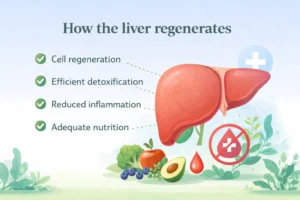
Dandelion and milk thistle are traditionally used to support liver function and aid in the detoxification process. These plants are thought to help cleanse the liver of toxins, promoting overall health and vitality.
9. Balances Hormones
Plants like maca root are believed to help balance hormones and support reproductive health. Maca is often used to enhance fertility and alleviate symptoms of menopause.
10. Enhances Skin Health
Aloe vera is widely used for its soothing properties and ability to promote healthy skin. It is often applied topically to treat burns, cuts, and other skin irritations.
Nutritional Components and Their Effects
| Component | Main Effect | Why It Matters |
|---|---|---|
| Antioxidants | Protects cells | Reduces oxidative stress |
| Vitamins | Boosts immunity | Supports overall health |
| Minerals | Strengthens bones | Maintains bodily functions |
| Essential oils | Calms nerves | Promotes relaxation |
The nutritional components found in ancient healing plants are diverse and contribute significantly to their health-promoting properties. For example, the vitamins and minerals present in these plants not only support immune function but also play a role in energy production and cellular repair. Essential oils extracted from plants like lavender and peppermint are used in aromatherapy to enhance mood and mental well-being.
Optimal Ways to Use Ancient Healing Plants
To maximize the benefits of ancient healing plants, consider these methods:
- Infusions: Brew teas using dried leaves or roots.
- Tinctures: Use concentrated liquid extracts.
- Capsules: Take as dietary supplements.
- Topical applications: Apply creams or oils directly to the skin.
Each method of use has its advantages, depending on the desired outcome. For instance, infusions and teas are excellent for internal use, providing a gentle way to ingest the active compounds. Tinctures, being more concentrated, are often used for more immediate effects. Topical applications are ideal for targeting specific areas of the body, such as using aloe vera gel for skin conditions.
For optimal results, consult with a healthcare professional to determine the best form and dosage for your needs.
Potential Contraindications and Side Effects
- Some plants may interact with medications.
- Pregnant or breastfeeding women should consult a doctor before use.
- Allergic reactions may occur in sensitive individuals.
It is crucial to be aware of potential contraindications and side effects when using ancient healing plants. For example, St. John’s Wort, commonly used for mood disorders, can interact with certain medications, reducing their effectiveness. Pregnant and breastfeeding women should exercise caution and seek medical advice before incorporating these plants into their routine, as some herbs may not be safe during pregnancy.
Always consult a healthcare provider before starting any new herbal regimen, especially if you have existing health conditions.
Personal Experience
In my experience, incorporating ancient healing plants into my wellness routine has been beneficial. I find that using ginger tea helps soothe my digestion after meals, and lavender oil promotes a sense of calm during stressful times.
Conclusion
Ancient healing plants offer a wealth of potential benefits for those seeking natural wellness solutions. While they are not a substitute for medical treatment, they can complement a healthy lifestyle. By understanding their uses and effects, you can harness the power of these plants to support your overall well-being. As interest in natural health continues to grow, these plants may play an increasingly important role in the future of wellness.
FAQ – Ancient Healing Plants
What are ancient healing plants?
Ancient healing plants are botanicals used in traditional medicine for their potential health benefits.
How can I use ancient healing plants?
You can consume them as teas, tinctures, capsules, or apply them topically.
Are there any side effects?
Some may cause allergic reactions or interact with medications, so consult a healthcare provider.
Can ancient healing plants replace conventional medicine?
No, they should complement, not replace, medical treatments.
Which plants are commonly used for stress relief?
Chamomile and lavender are popular choices for reducing stress.
References & Bibliography
- Smith, J. (2020). Herbal Medicine: A Beginner’s Guide. Cambridge University Press.
- Jones, L. (2019). The Healing Power of Plants. Oxford University Press.
- Brown, A. (2021). Traditional Uses of Medicinal Plants. Routledge.
Legal Note
This article is for informational purposes only and does not constitute medical advice. Always consult with a healthcare professional before beginning any new health regimen.