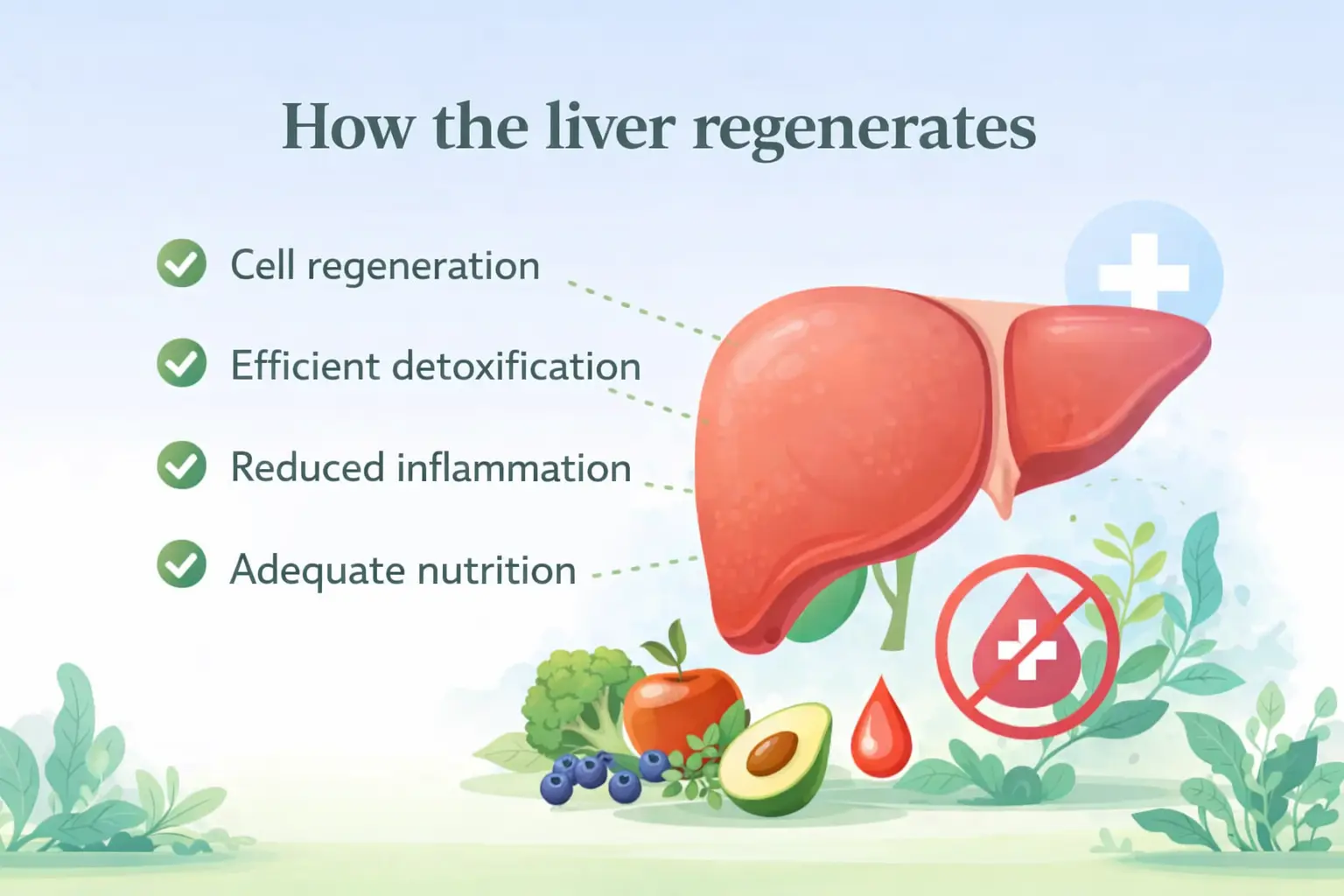

Introduction – real mechanisms and how to support it naturally
How the liver regenerates is one of the most searched questions today, especially with modern diets, stress, and exposure to toxins.
The liver is one of the most important organs in the human body. It plays a key role in:
- detoxification
- metabolism
- digestion
- nutrient processing
The good news is that the liver has a unique ability to regenerate itself. However, this process depends heavily on your daily habits, diet, and overall lifestyle.
The detoxification process (Phase 1 and Phase 2)
The liver works like a complex filtration system made of two main phases.
Phase 1 – Toxin transformation
In this phase:
- enzymes break down toxins
- harmful substances are converted into intermediate compounds
However, these compounds can sometimes be even more reactive than the original toxins.
Phase 2 – Toxin elimination
In this phase:
- toxins become water-soluble
- they are eliminated through bile or urine
A properly functioning liver completes both phases efficiently, which supports regeneration.
The role of blood in liver regeneration
Many people believe that the liver regenerates directly through blood, but this is only partially true.
Blood helps by:
- delivering oxygen to liver cells
- transporting essential nutrients
- removing waste products
So while blood supports regeneration, the actual regeneration happens through cell division inside the liver.
Reducing inflammation and oxidative stress
Chronic inflammation is one of the biggest enemies of liver regeneration.
It can:
- slow down cell repair
- damage liver tissue
- increase the risk of liver disease
Antioxidants and a balanced lifestyle help reduce oxidative stress and allow the liver to repair itself more efficiently.
Nutrition that supports liver regeneration
Diet plays a major role in how the liver regenerates.
Recommended foods:
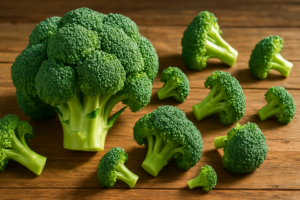
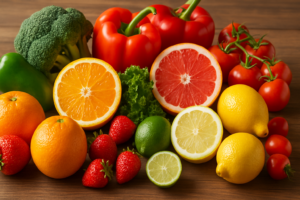
- green vegetables (broccoli, spinach)
- antioxidant-rich fruits (apples, berries)
- healthy fats (avocado, nuts)
- quality protein sources
Informational table
| Component | Role in liver regeneration |
|---|---|
| Protein | rebuilds liver cells |
| Antioxidants | reduce oxidative stress |
| Fiber | supports digestion and detox |
| Vitamin C | supports immune function |
What negatively affects liver regeneration
If you want your liver to regenerate properly, avoid:
- excessive alcohol consumption
- ultra-processed foods
- refined sugar
- sedentary lifestyle
- chronic stress
In advanced conditions (like cirrhosis), the liver’s ability to regenerate becomes limited.
Personal experience
From my personal experience, the biggest improvements came when I combined:
- cleaner eating
- reducing stress
- consistent habits
Simple changes like eating more natural foods, staying hydrated, and avoiding processed products made a noticeable difference over time.
It’s not an instant process, but it works if you stay consistent.
Conclusion
How the liver regenerates is not a mystery. It is a real biological process based on:
- cell division
- detoxification efficiency
- proper nutrition
- reduced inflammation
With the right habits, the liver has an incredible ability to repair itself and function properly long-term.
FAQ (Frequently Asked Questions)
How long does it take for the liver to regenerate?
It depends on lifestyle and damage level, but improvements can appear within weeks.
Can the liver fully regenerate?
Yes, in many cases. However, in advanced stages like cirrhosis, regeneration is limited.
Is diet enough for liver regeneration?
Diet is essential, but it must be combined with a healthy lifestyle.
Do detox cleanses work?
There are no real “quick fixes.” Liver regeneration is a gradual natural process.
Bibliography (Harvard style)
Michalopoulos, G.K. (2017). Liver regeneration. Journal of Cellular Physiology.
Fausto, N. (2004). Liver regeneration and repair. Hepatology.
National Institute of Diabetes and Digestive and Kidney Diseases (NIDDK) (2023). Liver function and regeneration.
Legal note
This article is for informational purposes only and does not replace professional medical advice.