
Introduction
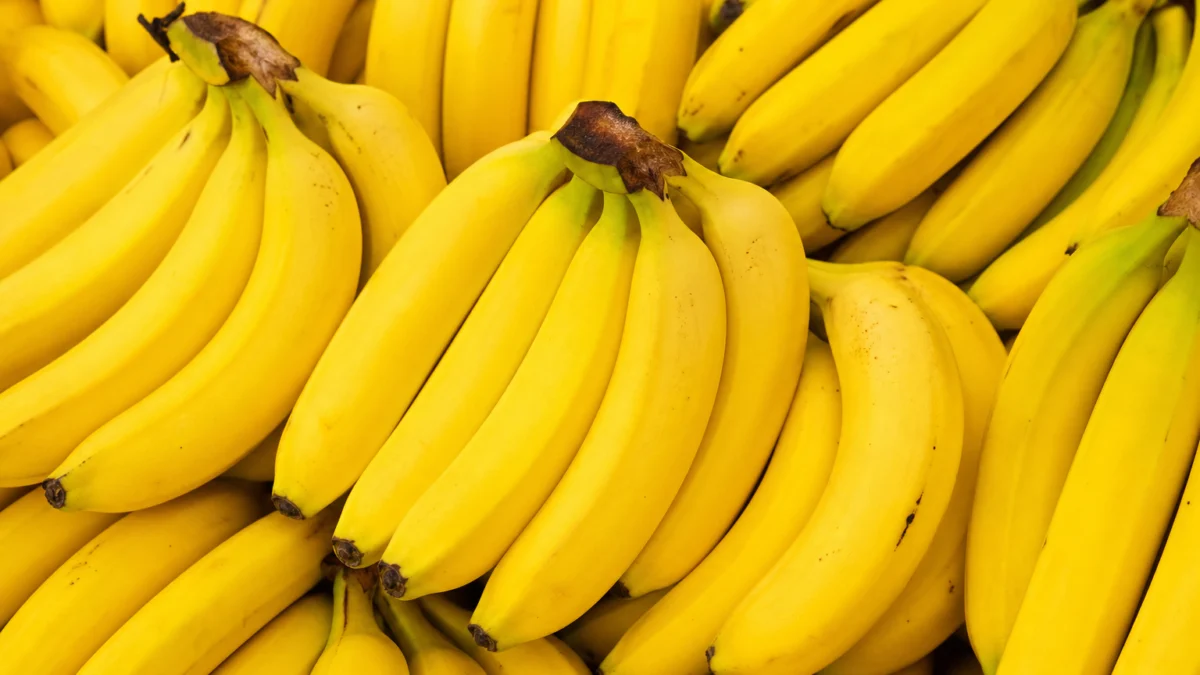
The benefits of bananas come from their role as a convenient whole fruit that provides carbohydrate, dietary fiber, and several vitamins and minerals. They are easy to carry, require no preparation, and can fit into breakfasts, snacks, baking, and simple meals. For many people, that combination of nourishment and convenience is the most meaningful advantage.
Bananas are not a cure-all, and their value depends on the wider pattern of foods someone eats. Still, understanding what they contribute, how ripeness changes their use, and what to compare when choosing fruit can make them a more useful part of everyday eating.
Key takeaway: Bananas offer practical energy, fiber, and useful micronutrients in a portable whole-food form. Their best role is usually as one part of a varied diet rather than as a standalone solution for health goals.
What bananas contribute to an everyday diet
A banana is primarily a source of carbohydrate, which the body can use for energy. It also contains water and a modest amount of dietary fiber. Because it is eaten whole rather than strained into juice, it retains the fruit’s natural structure. That makes it a different eating experience from a sweetened drink or a highly processed snack.
Bananas also provide nutrients commonly found in plant foods, including potassium and vitamin B6. Potassium has normal roles in body function, while vitamin B6 contributes to several routine processes in the body. A single food does not determine nutrient status, however; variety across fruits, vegetables, legumes, grains, and other suitable foods remains important.
The peel is useful, too. It protects the fruit until it is ready to eat, which can reduce the need for packaging when bananas are used as an on-the-go snack. Once peeled, the fruit is soft and easy to combine with other ingredients.
How bananas can support practical eating habits
The clearest benefits of bananas are often practical rather than dramatic. A food that is easy to buy, store briefly, carry, and eat may help people choose a whole-food snack when time is limited. That does not make bananas inherently better than every other fruit, but it explains why they are a reliable option in many kitchens.
Planned supporting article:
A convenient source of energy
Carbohydrate-containing foods can be useful before or after everyday activity, especially when someone wants something simple and easy to eat. A banana can work on its own for a light snack or alongside foods that add protein or fat, such as yogurt, milk, nuts, seeds, or nut butter. Pairing foods can make a snack feel more substantial and may better suit a longer gap before the next meal.
Context matters. Someone leaving for a walk may want a small, uncomplicated snack. Someone facing a busy morning may find that a banana plus oats, dairy or a fortified alternative, and nuts creates a more balanced breakfast than fruit alone.
Fiber and meal satisfaction
Dietary fiber is one reason whole fruits are commonly included in balanced eating patterns. Fiber is associated with normal digestive function and can add bulk to meals and snacks. The amount and type of carbohydrate in bananas shifts as they ripen, so texture and sweetness change over time as well.
A firmer, less ripe banana tends to be less sweet and more starchy than a very ripe one. A ripe banana is softer and often easier to mash into foods. Neither stage is universally “best”; the better choice depends on taste, intended recipe, and how the food fits into the rest of the meal.
A useful ingredient, not just a snack
Bananas can help reduce friction in home cooking. Sliced banana adds sweetness and softness to porridge or cereal. Mashed banana can contribute moisture and flavor in pancakes, muffins, or quick breads. Frozen pieces can thicken blended drinks without relying on flavored syrups. These uses are practical options, not guarantees that a recipe becomes nutritionally balanced.
When baking, it is worth remembering that banana sweetness does not automatically replace every other ingredient. The final result still depends on the recipe’s flour, added sugar, fats, portions, and serving size. Using fruit in a recipe is helpful context, but it does not remove the need to consider the whole dish.
Benefits of bananas at different stages of ripeness
Ripeness changes how bananas taste, feel, and perform in recipes. Buying a mix of stages can be useful for households that want fruit available across several days. Green-tipped bananas may be better for later in the week, while yellow bananas are often ready for immediate eating. Spotted, very ripe bananas are especially useful for mashing or freezing.
Planned supporting article:
| Banana stage | Typical qualities | Practical uses |
|---|---|---|
| Firm with green areas | Less sweet, firmer texture | Pack for later, slice into a snack, use where a firmer piece is preferred |
| Yellow and ripe | Balanced sweetness, soft but sliceable | Eat as a snack, add to breakfast bowls, pair with protein-rich foods |
| Very ripe with brown spots | Sweeter flavor, very soft texture | Mash for baking, stir into oats, freeze for blended recipes |
Storage affects this process. Keeping bananas at room temperature allows them to continue ripening. Separating fruit or using it promptly when ripe can help prevent waste. If bananas become softer than desired for eating, they may still be suitable for cooking if they show no signs of spoilage.
Ways to build a more balanced snack or meal
Fruit can be satisfying on its own, but pairing it thoughtfully can be useful when a person needs more staying power. The goal is not to complicate every snack. It is simply to match the food combination to the situation, appetite, and time until the next meal.
- Combine banana slices with plain yogurt or a suitable fortified alternative.
- Add banana to oatmeal with nuts, seeds, or nut butter.
- Use a banana with a sandwich or alongside eggs as part of breakfast.
- Blend frozen banana with milk or a fortified alternative and include oats or nut butter if a fuller snack is wanted.
- Serve banana with other fruits to bring different flavors, textures, and nutrients to the plate.
These examples are flexible. People with allergies, dietary restrictions, or specific nutrition advice can choose pairings that fit their own needs. The broader principle is to avoid treating any single fruit as the entire answer to hunger, energy, or dietary quality.
What bananas do not do on their own
It is easy for a familiar food to collect exaggerated claims. Bananas do not replace medical care, solve fatigue by themselves, or guarantee improved athletic performance, digestion, or mood. Those outcomes can have many causes and may need individualized attention. The most supportable view is that bananas are a nutritious food option within an overall eating pattern.
They are also not the only convenient fruit. Apples, oranges, pears, grapes, berries, and seasonal options can all contribute useful variety. Different fruits have different textures, preparation needs, prices, and storage lives. Rotating choices can make meals more interesting and reduce reliance on one item.
Portion and context matter as well. A banana in a meal is different from a banana used alongside several sweet ingredients in a large dessert. Neither situation needs to be judged in isolation, but the rest of the plate still matters. A balanced approach is more useful than labeling a food as wholly good or bad.
Choosing and using bananas thoughtfully
Start by choosing bananas based on when they will be eaten. For immediate use, select fruit that is yellow and yields slightly to gentle pressure. For later use, choose firmer bananas with some green near the stem. Avoid fruit with damaged areas that appear wet, leaking, or moldy.
Planned supporting article:
Think about purpose before buying. If the plan is simple snacks, choose bananas in several stages of ripeness. If the plan is baking, very ripe bananas may be ideal and can sometimes prevent edible fruit from being discarded. If lunches are being packed, firmer bananas are less likely to become overly soft before they are eaten.
Simple planning idea: Buy only the amount likely to be used before it becomes too ripe. If several bananas ripen at once, peel and freeze portions for later cooking or blending.
Common considerations and limitations
Most people can include bananas as part of ordinary meals and snacks. However, individual needs can differ. People who have been advised to manage potassium intake or carbohydrate intake for a medical reason should follow guidance from their qualified clinician or dietitian rather than relying on general food advice. Anyone with a known banana or latex-related food allergy should also take appropriate precautions.
For some people, a banana alone may not feel filling for long, particularly when replacing a full meal. That is not a flaw in the fruit; it is a reminder that fruit generally works best alongside a varied selection of foods when a more complete meal is needed.
Conclusion
The benefits of bananas are grounded in their everyday usefulness: they provide carbohydrate, fiber, and nutrients in a portable, versatile whole fruit. They can support a quick snack, add flavor to breakfast, and reduce food waste when very ripe fruit is used in cooking. Choose ripeness to suit the occasion, pair bananas with other foods when a more substantial meal is needed, and keep them in perspective as one valuable option within a varied diet.