
Introduction
When it comes to choosing between chamomile and lavender, many beginners often make mistakes due to a lack of understanding of their unique properties. Both herbs are well-known for their calming effects, but they offer distinct benefits and uses. This article will explore common beginner mistakes when choosing between chamomile and lavender, providing practical guidance to help you make an informed decision.
Understanding Chamomile and Lavender
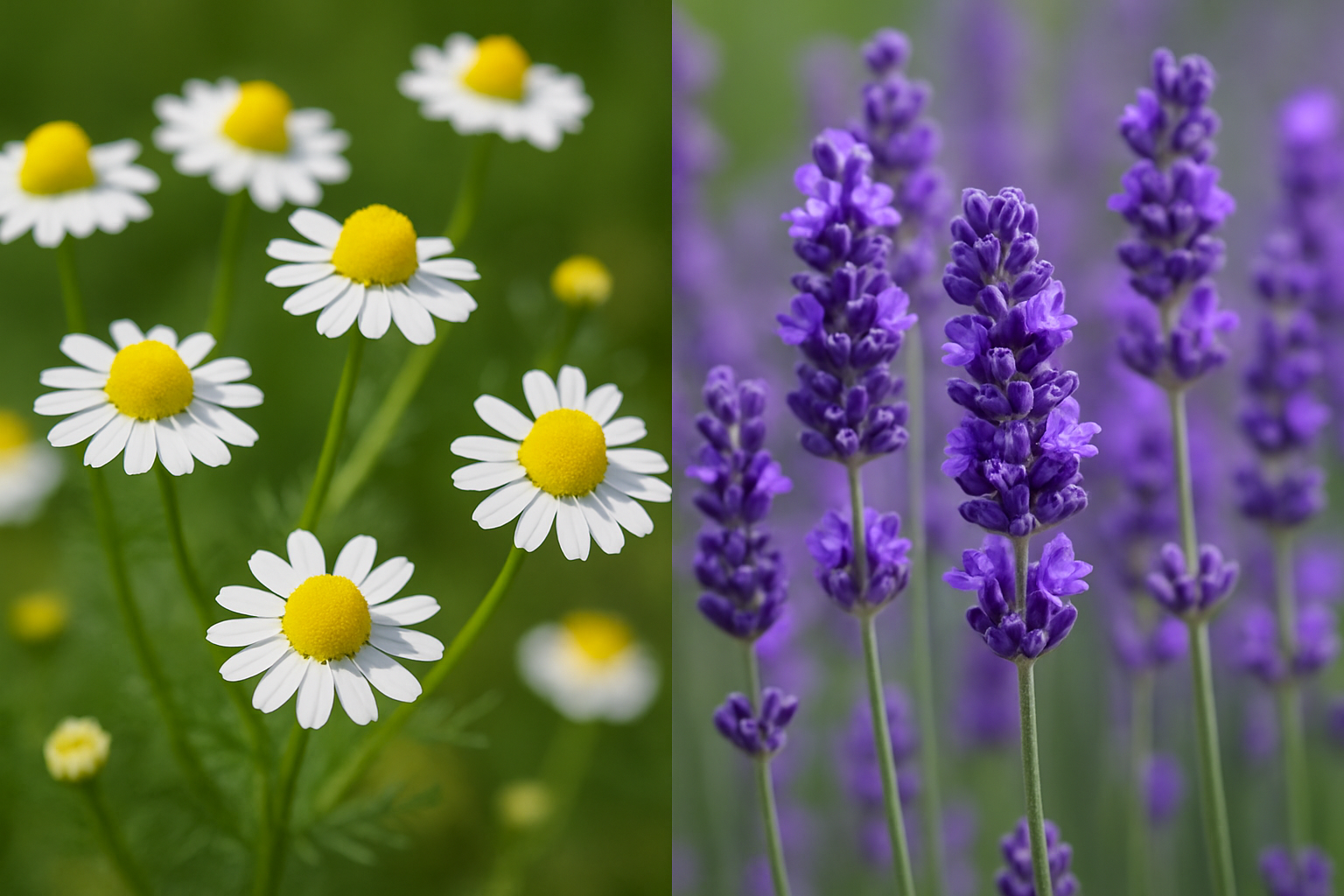
Chamomile and lavender are two popular herbs used in aromatherapy and herbal remedies. While they share some similarities, their differences are significant and can influence your choice based on your specific needs.
- Chamomile is often used for its soothing effects on digestion and its ability to promote sleep. It is typically consumed as a tea, which can help with mild insomnia and digestive issues. Chamomile’s gentle nature makes it a popular choice for those seeking a mild and natural remedy.
- Lavender is widely recognized for its calming aroma and potential to relieve stress and anxiety. It is commonly used in essential oils and sachets, and its fragrance is often incorporated into products designed to promote relaxation. Lavender’s versatility extends to its use in skincare, where it can help soothe irritated skin.
Side-by-Side Comparison: Chamomile vs. Lavender
| Feature | Chamomile | Lavender |
|---|---|---|
| Primary Benefit | Digestive aid, sleep aid | Stress relief, anxiety reduction |
| Common Usage | Teas, essential oils | Essential oils, sachets |
| Potential Side Effects | Allergic reactions in some individuals | Skin irritation in sensitive individuals |
| Effectiveness | Effective for mild insomnia | Effective for reducing stress |
| Polyphenol Content | High | Lower than chamomile |
| Antiradical Activity | High | Moderate |
Common Beginner Mistakes
Beginners often make the following mistakes when choosing between chamomile and lavender:
- Assuming both herbs can be used interchangeably for all purposes. While both have calming properties, their specific benefits differ significantly. Chamomile is more effective for digestive issues and sleep, whereas lavender is better suited for stress and anxiety relief.
- Ignoring potential allergies or skin sensitivities. Chamomile can cause allergic reactions, particularly in individuals allergic to plants in the daisy family. Lavender may cause skin irritation, especially in those with sensitive skin.
- Overlooking the specific benefits of each herb. Understanding the unique properties of chamomile and lavender can help you choose the right herb for your needs. For instance, if you are looking to improve sleep quality, chamomile is the recommended choice.
- Using poor-quality products without checking the source. The effectiveness of chamomile and lavender can be compromised if the products are not sourced from reputable suppliers. Always check the quality and purity of the products you purchase.
Related reading: Avocado: A Healthier Choice Than Meat?.
Choosing the Right Option for Your Needs
To make the right choice between chamomile and lavender, consider your specific needs:
- If you need help with digestion or sleep, chamomile might be the better option. Its soothing properties can aid in calming the digestive system and promoting restful sleep.
- If you’re looking to reduce stress or anxiety, lavender could be more suitable. Its calming aroma can help alleviate feelings of stress and anxiety, making it an excellent choice for relaxation.
Always test a small amount of any new product to check for potential allergic reactions. This precaution is especially important if you have a history of allergies or sensitive skin.
Limitations and Considerations
While chamomile and lavender offer numerous benefits, it’s important to be aware of their limitations. Chamomile, for instance, should be used with caution by individuals with allergies to ragweed or other plants in the Asteraceae family. Additionally, the effectiveness of chamomile for severe insomnia or digestive disorders may be limited, and professional medical advice should be sought for persistent issues.
Lavender, on the other hand, may not be suitable for everyone. Its use in essential oils should be approached with care, particularly for individuals with sensitive skin or those prone to allergic reactions. Furthermore, while lavender is effective for stress relief, it may not address underlying causes of anxiety, which could require professional intervention.
Related reading: Common Questions About Stress Relief Remedies.
Conclusion
Choosing between chamomile and lavender depends largely on your personal needs and preferences. While both offer calming effects, chamomile is more suited for digestive and sleep issues, whereas lavender excels in stress relief and anxiety reduction. By understanding these differences, you can avoid common beginner mistakes and make a more informed decision. Consider your specific needs, potential allergies, and the quality of the products you choose to ensure the best results.
FAQ – Chamomile vs Lavender
Can I use chamomile and lavender together?
Yes, they can be used together for a combined calming effect, but always check for allergies first. Combining the two can enhance their calming properties, providing a more comprehensive approach to relaxation.
Which is better for sleep, chamomile or lavender?
Chamomile is generally considered better for promoting sleep. Its mild sedative effects can help improve sleep quality, making it a popular choice for those struggling with mild insomnia.
Are there any side effects of using lavender?
Some individuals may experience skin irritation or allergic reactions. It’s important to test lavender products on a small patch of skin before widespread use, especially if you have sensitive skin.
Exploring the Historical and Cultural Context
Both chamomile and lavender have rich historical and cultural backgrounds that contribute to their popularity today. Chamomile has been used for centuries in traditional medicine across various cultures. Its use dates back to ancient Egypt, where it was revered for its healing properties and was often associated with the sun god Ra. The Greeks and Romans also valued chamomile for its medicinal uses, particularly for treating digestive ailments and promoting relaxation.
Lavender, on the other hand, has a storied history in European cultures, especially in the Mediterranean region where it naturally thrives. The Romans used lavender in their baths, believing it to purify the body and mind. During the Middle Ages, lavender was used as a natural disinfectant and was believed to ward off the plague. Its use in aromatherapy and perfumery has been well-documented throughout history, contributing to its enduring appeal.
Scientific Insights and Modern Uses
Modern scientific research has provided further insights into the benefits of chamomile and lavender. Studies have shown that chamomile contains high levels of antioxidants, particularly polyphenols, which contribute to its health benefits. According to research, chamomile’s polyphenol content is significant, making it a potent source of antioxidants that can help combat oxidative stress in the body.
Lavender, while having a lower polyphenol content compared to chamomile, is renowned for its antiradical activity. This property makes lavender effective in neutralizing free radicals, which can help reduce oxidative stress. The calming effects of lavender are also supported by research, which indicates that its aroma can significantly reduce stress and anxiety levels in individuals.
These scientific insights have expanded the use of chamomile and lavender beyond traditional applications. Chamomile is now commonly found in skincare products, where its anti-inflammatory properties are harnessed to soothe irritated skin. Lavender continues to be a staple in aromatherapy, with its essential oils used in diffusers, massage oils, and bath products to promote relaxation and mental well-being.
Practical Tips for Incorporating Chamomile and Lavender
Incorporating chamomile and lavender into your daily routine can be a simple yet effective way to enhance your well-being. Here are some practical tips:
- Chamomile Tea: Enjoy a cup of chamomile tea in the evening to unwind and prepare for a restful night’s sleep. Its gentle sedative effects can help ease you into relaxation.
- Lavender Essential Oil: Use lavender essential oil in a diffuser to create a calming atmosphere in your home. A few drops on your pillow can also promote better sleep.
- Skincare: Look for skincare products that contain chamomile or lavender extracts to benefit from their soothing properties. These can be particularly beneficial for sensitive or irritated skin.
- Bath Rituals: Add a few drops of lavender oil to your bath for a spa-like experience that helps relieve stress and tension.
Related reading: Common Questions About Natural Sleep Remedies.
By understanding the unique properties and applications of chamomile and lavender, you can make informed choices that align with your personal wellness goals. Whether you seek improved sleep, reduced stress, or enhanced skin health, these versatile herbs offer a range of benefits that can be tailored to your needs.
Verified Webography
Source records verified through PubMed/NCBI or Crossref by WP-AI-Drafter:
- Dewi Mayangsari and Desti Gita Sari (2021) “Manfaat Aromatherapy Lavender dan Chamomile Mengatasi Nyeri Perineum Ibu Nifas.” Jurnal Ilmiah Kesehatan. DOI: 10.48144/jiks.v14i1.523. DOI / Publisher
- Inese Mieriņa, Laura Jakaite, Sabine Kristone et al. (2018) “Extracts of Peppermint, Chamomile and Lavender as Antioxidants.” Key Engineering Materials. DOI: 10.4028/www.scientific.net/kem.762.31. DOI / Publisher
- Maria Sabin, Ethan Harvill, Aaron Fisher et al. (n.d.) “Companion Animals Beginner Level: Choosing the Right Companion Animal.” Crossref indexed publication. DOI: 10.7290/utiapub/w956. DOI / Publisher