
Introduction
Chamomile and lavender are two popular herbs celebrated for their calming effects and use in aromatherapy. While both are known for their soothing qualities, they offer distinct benefits that cater to different wellness needs. This article explores the unique features of chamomile and lavender, providing insights into how each can support your health goals.
What Are Chamomile and Lavender and Why They Matter
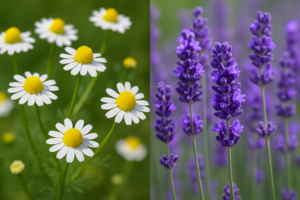
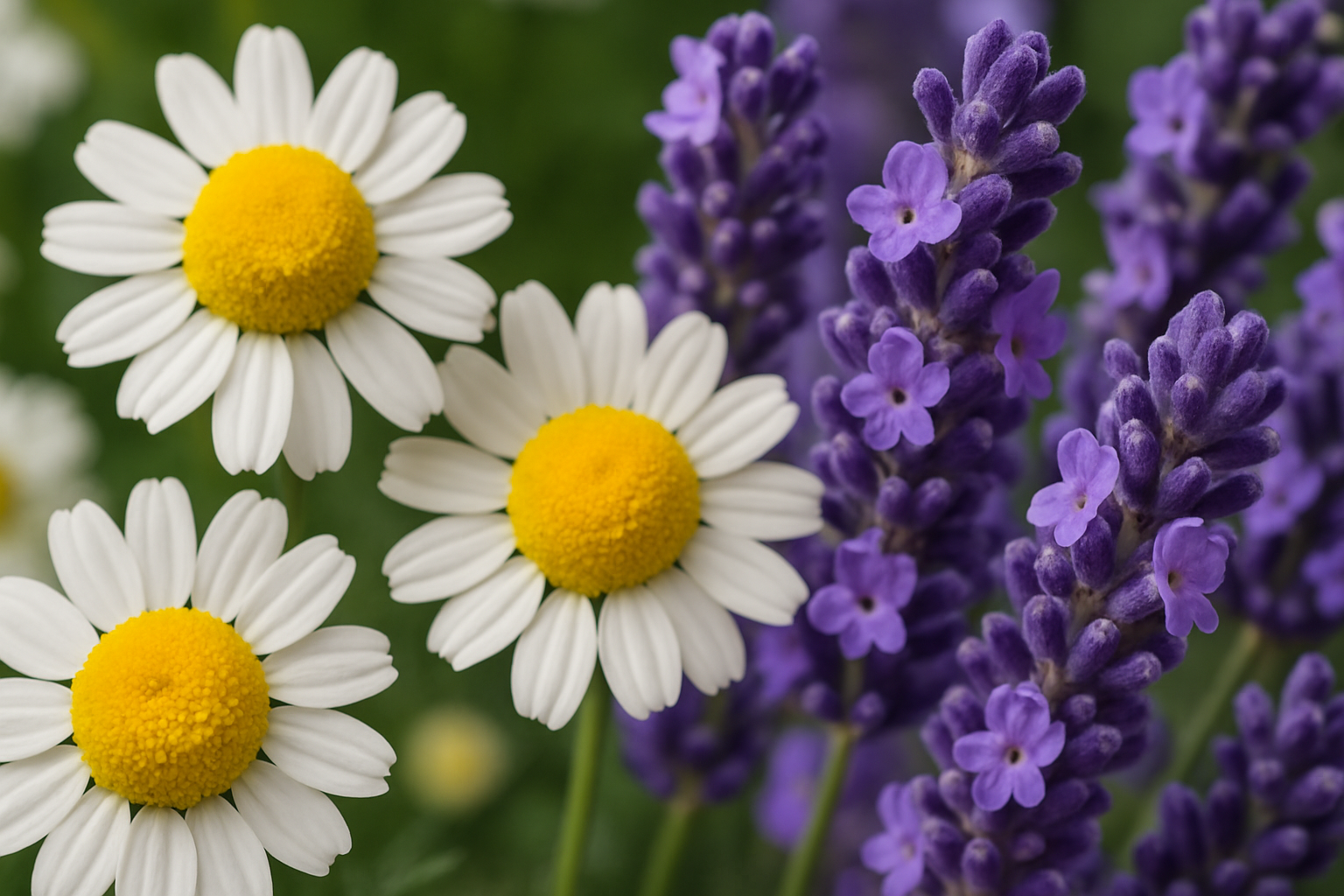
Chamomile and lavender are both flowering plants commonly used for their therapeutic properties. Chamomile is known for its gentle calming effects, often used to aid digestion and promote sleep. Lavender, on the other hand, is renowned for its ability to relieve stress and anxiety. They are ideal for:
Related reading: Ancient Healing Plants: Are They the Future of Wellness?.
- Promoting relaxation and reducing stress
- Supporting digestive health
- Enhancing sleep quality
- Providing natural pain relief
Chamomile is a member of the Asteraceae family and is typically found in two varieties: German chamomile (Matricaria chamomilla) and Roman chamomile (Chamaemelum nobile). Both types are used for similar purposes, but they have subtle differences in their chemical compositions and therapeutic effects. Lavender, belonging to the Lamiaceae family, is most commonly represented by the species Lavandula angustifolia, known for its fragrant flowers and essential oil.
Top 10 Benefits of Chamomile and Lavender for Your Body
1. Supports Healthy Digestion
Chamomile is particularly effective in aiding digestion. It can help alleviate symptoms of indigestion and bloating, making it a popular choice for those with sensitive stomachs. The antispasmodic properties of chamomile can relax the muscles in the digestive tract, reducing cramps and discomfort. This makes chamomile tea a soothing choice after meals, especially for those prone to digestive disturbances.
2. Promotes Relaxation
Both chamomile and lavender are known for their calming effects. Lavender, in particular, is widely used in aromatherapy to reduce anxiety and promote a sense of calm. The soothing aroma of lavender is believed to influence the limbic system, the part of the brain that controls emotions, thereby reducing stress and promoting relaxation. Chamomile also contributes to relaxation, making it a versatile option for those seeking tranquility.
Related reading: The Top 5 Natural Remedies for Stress Relief.
3. Enhances Sleep Quality
Chamomile tea is often consumed before bedtime as it can help improve sleep quality by promoting relaxation and reducing insomnia. The sedative effects of chamomile are attributed to the presence of apigenin, an antioxidant that binds to certain receptors in the brain, inducing sleepiness. Lavender can also enhance sleep quality through its calming scent, which has been shown to improve sleep in various studies.
4. Provides Antioxidant Benefits
According to research, chamomile contains polyphenols which offer antioxidant benefits, helping to protect the body from oxidative stress. Oxidative stress is a condition characterized by an imbalance between free radicals and antioxidants in the body, leading to cell and tissue damage. Lavender also contains antioxidants, although to a lesser extent, which contribute to its overall health benefits.
5. Reduces Pain and Inflammation
Lavender has been shown to have anti-inflammatory properties, making it useful in reducing pain and swelling in the body. The application of lavender oil can help alleviate headaches, muscle pain, and joint discomfort, providing a natural alternative to over-the-counter pain relief medications. Chamomile also offers anti-inflammatory benefits, particularly in soothing skin irritations and minor wounds.
6. Supports Skin Health
Chamomile can be applied topically to soothe irritated skin and reduce redness, while lavender oil is often used to treat acne and other skin conditions. The anti-inflammatory and antimicrobial properties of these herbs make them effective in promoting skin health and healing minor wounds. Chamomile’s gentle nature makes it suitable for sensitive skin, while lavender’s antiseptic qualities help prevent infections.
7. Boosts Mood
Lavender is known for its ability to uplift mood and reduce symptoms of depression, making it a natural choice for emotional well-being. The inhalation of lavender essential oil has been shown to decrease anxiety levels and improve mood in several studies, providing a non-invasive method to enhance mental health. Chamomile also contributes to mood enhancement by promoting relaxation and reducing stress.
8. Enhances Cognitive Function
Some studies suggest that lavender can help improve cognitive function and memory, particularly in older adults. The neuroprotective properties of lavender may help in maintaining cognitive health and preventing age-related decline in brain function. While chamomile is less studied in this regard, its calming effects may indirectly support cognitive performance by reducing stress-related cognitive impairment.
9. Provides Respiratory Relief
Chamomile can help relieve symptoms of respiratory issues such as congestion and coughs, thanks to its anti-inflammatory properties. Inhaling chamomile steam can soothe irritated airways and reduce the severity of respiratory symptoms. Lavender, with its calming aroma, may also provide relief by easing tension and promoting relaxation during respiratory discomfort.
10. Acts as a Natural Antiseptic
Lavender oil has antiseptic properties, which can help prevent infections and promote wound healing. It can be applied to cuts, burns, and insect bites to reduce the risk of infection and speed up the healing process. Chamomile also offers antiseptic benefits, making it useful for treating minor skin irritations and promoting overall skin health.
Nutritional Components and Their Effects
The nutritional components of chamomile and lavender contribute significantly to their health benefits. Chamomile is rich in flavonoids and terpenoids, which are responsible for its antioxidant and anti-inflammatory effects. Lavender contains linalool and linalyl acetate, compounds that contribute to its calming and antiseptic properties. These components not only define the therapeutic effects of chamomile and lavender but also influence their aroma and flavor profiles.
| Component | Chamomile | Lavender |
|---|---|---|
| Polyphenols | High | Moderate |
| Antioxidant Activity | High | Moderate |
| Anti-inflammatory Compounds | Moderate | High |
How to Consume Chamomile and Lavender for Maximum Benefits
Incorporating chamomile and lavender into your daily routine can be done in several ways to maximize their benefits:
Related reading: Chamomile vs. Lavender: Which Calms Better?.
- Drink chamomile tea before bedtime to improve sleep quality. The warm beverage can enhance relaxation and prepare your body for rest.
- Use lavender essential oil in a diffuser to promote relaxation. Inhaling the aroma can help reduce stress and create a calming environment.
- Add dried chamomile flowers to a warm bath for soothing effects. The warm water combined with chamomile can relax muscles and ease tension.
- Incorporate lavender into skincare routines for its antiseptic properties. Lavender-infused lotions and creams can help maintain healthy skin and prevent infections.
For practical use, consider combining both chamomile and lavender in your daily routine to enjoy their complementary benefits. For example, a chamomile tea with a few drops of lavender oil can provide a dual-action approach to relaxation and stress reduction. This combination not only enhances the therapeutic effects but also offers a pleasant sensory experience.
Contraindications and Side Effects
While chamomile and lavender are generally safe for most people, there are some contraindications and side effects to be aware of:
- Chamomile may cause allergic reactions in those allergic to ragweed. Individuals with allergies to plants in the Asteraceae family should exercise caution when using chamomile products.
- Lavender oil should be diluted before topical application to avoid skin irritation. Undiluted essential oils can cause irritation or allergic reactions in sensitive individuals.
- Both herbs should be used cautiously during pregnancy and breastfeeding. It is advisable to consult a healthcare professional before using chamomile or lavender during these periods to ensure safety.
- Chamomile and lavender may interact with certain medications. Those taking sedatives or anticoagulants should consult with a healthcare provider before using these herbs.
Conclusion
FAQ – Chamomile vs Lavender
Which is better for sleep, chamomile or lavender?
Chamomile is often preferred for sleep due to its calming effects, but lavender can also promote relaxation and improve sleep quality. The choice may depend on personal preference and the specific sleep issues being addressed.
Can I use both chamomile and lavender together?
Yes, combining chamomile and lavender can provide complementary benefits, enhancing relaxation and well-being. Using them together can create a synergistic effect that maximizes their calming and therapeutic properties.
Are there any side effects of using chamomile or lavender?
Both herbs are generally safe, but chamomile may cause allergic reactions in some individuals, and lavender oil should be used with caution to avoid skin irritation. It is important to follow recommended guidelines and consult with a healthcare provider if necessary.
Verified Webography
Source records verified through PubMed/NCBI or Crossref by WP-AI-Drafter:
- Dewi Mayangsari and Desti Gita Sari (2021) “Manfaat Aromatherapy Lavender dan Chamomile Mengatasi Nyeri Perineum Ibu Nifas.” Jurnal Ilmiah Kesehatan. DOI: 10.48144/jiks.v14i1.523. DOI / Publisher
- Inese Mieriņa, Laura Jakaite, Sabine Kristone et al. (2018) “Extracts of Peppermint, Chamomile and Lavender as Antioxidants.” Key Engineering Materials. DOI: 10.4028/www.scientific.net/kem.762.31. DOI / Publisher