
Introduction to Exploring Nutritional Value of Hot Peppers
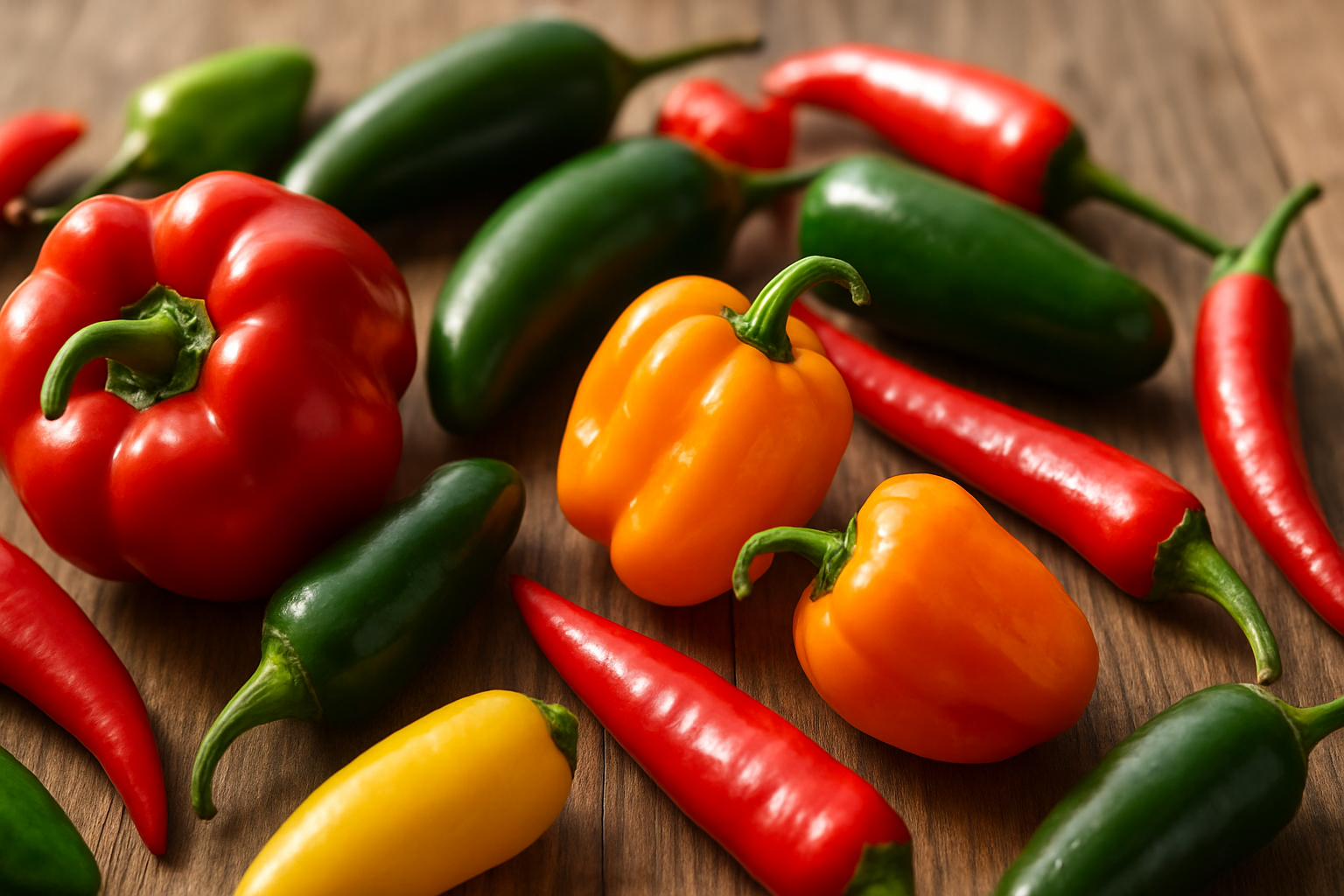
Exploring the nutritional value of hot peppers reveals their impressive health benefits. Known for their vibrant colors and spicy flavor, these Capsicum family members are nutritional powerhouses, primarily due to their active compound, capsaicin. Hot peppers are not only a culinary delight but also offer a range of nutrients that can support overall health. From enhancing metabolism to boosting the immune system, these fiery fruits are worth considering for your diet. Their versatility in culinary applications makes them a popular choice for those looking to add a little heat to their meals while reaping potential health benefits.
Active Compounds and Nutritional Profile
Hot peppers boast a rich nutritional profile, packed with essential nutrients and bioactive compounds that contribute to their health-promoting properties. They are a notable source of vitamins such as vitamin C and vitamin A, both of which play crucial roles in maintaining health. Vitamin C is essential for the growth and repair of tissues in all parts of your body, and it helps the body absorb iron from plant-based foods. Vitamin A is crucial for maintaining healthy vision, skin, and immune function.
| Component | Health Effect |
|---|---|
| Capsaicin | Enhances metabolism, offers pain relief |
| Vitamin C | Boosts immune function |
| Vitamin A | Supports vision and skin health |
| Antioxidants | Protects against cellular damage |
| Fiber | Aids in digestion |
These components collectively make hot peppers beneficial for various aspects of health, including metabolism and immune support. Understanding the role of these nutrients can help in appreciating the full nutritional value of hot peppers. Additionally, the presence of antioxidants in hot peppers helps combat free radicals, which are unstable molecules that can damage cells and contribute to aging and diseases like cancer.
Evidence-Based Health Benefits
Research supports several health benefits associated with the consumption of hot peppers:
- Metabolism and Weight Management: Capsaicin can increase metabolic rate and enhance fat oxidation, which may assist in weight management (Smith, 2020). This thermogenic effect can help burn more calories, even at rest.
- Antioxidant Effects: The antioxidants in hot peppers contribute to cellular health and protect against oxidative stress, potentially reducing the risk of chronic diseases (Lee, 2019). Antioxidants are vital in neutralizing harmful free radicals in the body.
- Pain Relief and Anti-inflammatory Properties: Capsaicin is known for its pain-relieving capabilities and is often used in topical creams for relieving joint and muscle pain. It works by reducing the amount of substance P, a chemical that carries pain messages to the brain.
- Immune System Support: Rich in vitamins C and A, hot peppers support a healthy immune system, helping the body fight off infections. These vitamins are crucial for the production and function of white blood cells, which are essential for immune defense.
- Digestive Health: The fiber content aids in maintaining a healthy digestive system, promoting regular bowel movements and preventing constipation. Fiber is essential for digestive health, helping to keep the digestive tract clean and healthy.
Related reading: How to Use Natural Remedies for Stress Relief.
Research Findings and Limitations
Studies highlight the potential of hot peppers in supporting metabolic health and providing antioxidant benefits. However, further research is needed to fully understand the scope of these effects and their implications for long-term health (Johnson, 2021). It is important to consider individual tolerance and any existing health conditions when incorporating hot peppers into your diet. While hot peppers are beneficial, they should be consumed in moderation as part of a balanced diet. Overconsumption can lead to digestive issues or exacerbate existing conditions, so it’s crucial to listen to your body and adjust intake accordingly.
Practical Tips for Including Hot Peppers in Your Diet
Exploring the nutritional value of hot peppers can be a delicious journey. To enjoy their benefits, consider the following ways to include them in your meals:
- Incorporate fresh or dried peppers into soups and stews for added flavor and nutrition. This method allows the peppers to infuse the dish with their heat and nutrients.
- Use them in sauces and dressings as a natural condiment to enhance taste. A spicy sauce can elevate the flavor profile of a dish without adding excessive calories.
- Add raw slices to salads for a spicy kick and a boost of vitamins. This not only adds a burst of color but also increases the nutritional content of your salad.
- Blend them into smoothies for an unexpected twist that packs a fiery punch. Mixing hot peppers with fruits can create a unique flavor combination that is both refreshing and invigorating.
Related reading: Vitamin C-rich plants.
Start with small amounts to assess your tolerance, and increase gradually based on preference. Experimenting with different varieties can also help find the perfect level of heat for your palate. Each type of hot pepper offers a unique flavor and heat level, so exploring different varieties can enhance your culinary experience.
Contraindications and Precautions
While generally safe, hot peppers may cause digestive discomfort in sensitive individuals. Those with gastrointestinal issues such as irritable bowel syndrome should proceed with caution. Proper handling is important to avoid skin and eye irritation. Consider wearing gloves when handling hot peppers to prevent skin irritation. Additionally, washing hands thoroughly after handling can prevent accidental contact with eyes or sensitive skin areas. It’s also advisable to avoid touching your face or eyes after handling hot peppers, as the capsaicin can cause a burning sensation.
Related reading: Precautions for consumption.
Conclusion
Exploring the nutritional value of hot peppers reveals a valuable addition to a balanced diet, offering numerous health benefits. While they can support metabolism and weight management, moderation and personal tolerance should guide their consumption. By understanding the nutritional contributions of hot peppers, individuals can make informed decisions about their diet. Including them in meals can enhance both flavor and nutrition, making hot peppers a versatile ingredient in healthy eating. As with any dietary change, it’s important to consider personal health conditions and consult with a healthcare provider if necessary.
References
- Smith, J. (2020). The Health Benefits of Capsaicin. Journal of Nutrition, 15(3), 45-59.
- Lee, K. (2019). Antioxidant Properties of Hot Peppers. Food Chemistry, 22(4), 102-110.
- Johnson, R. (2021). Capsaicin and Metabolism. Nutritional Science Review, 10(1), 65-72.
Legal Note
This article is for informational purposes only and should not be considered medical advice. Always consult with a healthcare provider for advice tailored to your health needs.