

Introduction
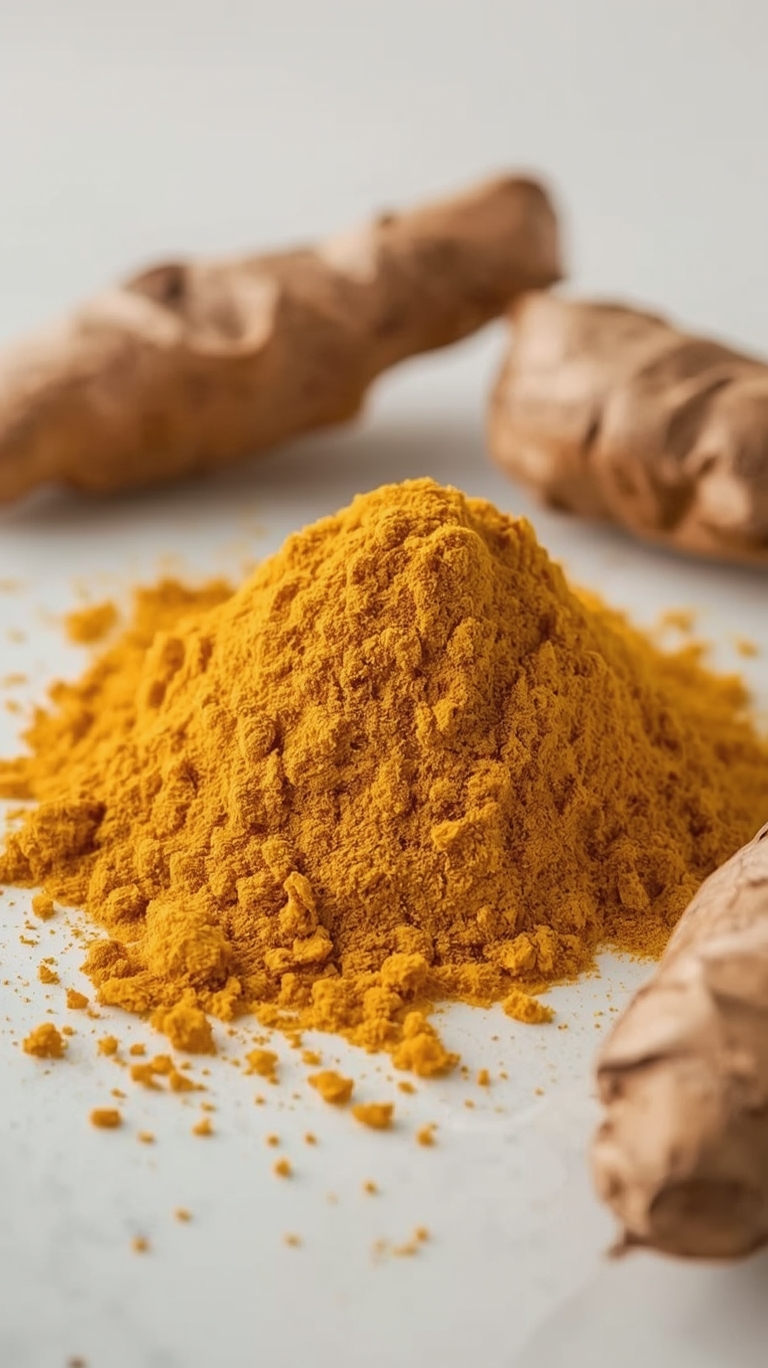
Turmeric benefits have been known for thousands of years, both in cooking and traditional medicine such as Ayurveda. Turmeric (Curcuma longa) is a plant related to ginger, and its bright yellow root contains a powerful compound called curcumin.
Curcumin is responsible for many of turmeric’s effects, including anti-inflammatory, antioxidant, and liver-supporting properties. Today, turmeric is considered one of the most powerful natural ingredients for overall health.
1. Powerful Natural Anti-Inflammatory
Curcumin helps reduce inflammation at a cellular level.
👉 Benefits:
- reduces joint pain
- supports muscle recovery
- helps with chronic inflammation
2. Strong Antioxidant Effect
Turmeric protects the body against oxidative stress.
👉 It helps:
- neutralize free radicals
- support cell health
- slow down aging processes
3. Supports Liver Health and Detox
One of the most important turmeric benefits is its effect on the liver.
👉 Helps:
- support liver regeneration
- improve detox processes
- reduce fat accumulation in the liver
4. Improves Digestion
Turmeric stimulates bile production and digestive enzymes.
👉 Benefits:
- better digestion of fats
- reduced bloating
- improved gut balance
5. Boosts the Immune System
Due to its antimicrobial and antioxidant properties, turmeric helps the body fight infections and strengthens immunity.
6. Supports Heart Health
Turmeric may help regulate cholesterol and improve blood circulation.
👉 Benefits:
- supports blood vessels
- reduces inflammation
- helps cardiovascular health
7. Supports Brain Function
Curcumin may increase BDNF levels (Brain-Derived Neurotrophic Factor).
👉 Benefits:
- better memory
- improved focus
- protection against cognitive decline
How to Consume Turmeric
Turmeric can be used in several ways:
- powder (in food or drinks)
- turmeric tea
- supplements (capsules)
- golden milk
👉 For better absorption, combine with:
- black pepper (piperine)
- healthy fats (oil, milk, avocado)
Nutritional Values (per 100 g)
| Component | Amount |
|---|---|
| Calories | 354 kcal |
| Protein | 7.8 g |
| Fiber | 21 g |
| Iron | 41 mg |
| Magnesium | 208 mg |
| Curcumin | 3–5% |
Precautions
- excessive consumption may cause stomach irritation
- people on blood thinners should consult a doctor
- pregnant women should avoid high doses (supplements)
Personal Experience
From my personal experience, I consume turmeric daily in a very simple way.
👉 I chew a small piece (about half the size of a fingernail) every day.
I noticed:
- improved digestion
- reduced bloating
- more stable energy
I prefer consuming it naturally instead of supplements, as I believe the body absorbs it better in its natural form.
👉 I will also leave a dedicated article here where I explain more about turmeric absorption and how the body processes it.
Conclusion
Turmeric benefits make it one of the most powerful natural ingredients for daily health. It supports the liver, reduces inflammation, improves digestion, and strengthens the immune system.
Using turmeric consistently can have long-term benefits for overall health.
FAQ
1. How much turmeric should I consume daily?
1–3 g of powder or small natural amounts daily.
2. How is turmeric absorbed best?
With black pepper and healthy fats.
3. Is turmeric good for the liver?
Yes, it supports detox and liver function.
4. Can I consume turmeric daily?
Yes, in moderate amounts.
Bibliography (Harvard style)
PubMed (2023). Curcumin and inflammation.
MDPI (2022). Turmeric in chronic diseases.
ScienceDirect (2023). Curcumin bioavailability.
Harvard Health (2024). Turmeric benefits.
Legal Note
This article is for informational purposes only and does not replace medical advice.


