
Introduction
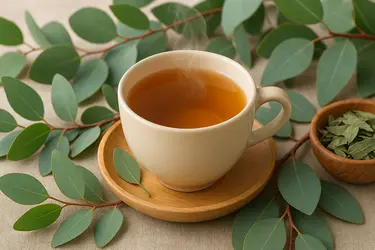
Eucalyptus tea benefits have been known for centuries, especially in traditional medicine where eucalyptus leaves are used for respiratory health and immune support.
This aromatic tea, made from Eucalyptus globulus, is valued for its:
- antiseptic properties
- anti-inflammatory effects
- expectorant action
It is commonly used to relieve cold symptoms, improve breathing, and support overall health.
1. Supports respiratory health
One of the most important eucalyptus tea benefits is its effect on the respiratory system.
Eucalyptus contains volatile oils that:
- open the airways
- reduce inflammation
- help eliminate mucus
Drinking eucalyptus tea or inhaling its steam can help:
- relieve cough
- reduce nasal congestion
- ease symptoms of colds, flu, and sinusitis
2. Natural antibacterial and antiviral effect
Eucalyptus contains eucalyptol (cineole), a powerful active compound.
It has been shown to:
- fight bacteria
- reduce fungal growth
- support the body against viruses
This makes eucalyptus tea a strong natural support for the immune system.
3. Improves circulation and oxygenation
Eucalyptus may help:
- improve blood circulation
- increase oxygen delivery to tissues
- support overall energy levels
This contributes to a feeling of vitality and better body function.
4. Supports relaxation and reduces stress
The fresh aroma of eucalyptus has calming effects on the nervous system.
Consumed in the evening, eucalyptus tea can:
- reduce mental tension
- improve sleep quality
- support relaxation
5. Supports oral and digestive health
Eucalyptus tea also has antibacterial properties that help:
- reduce bacteria in the mouth
- improve breath freshness
- support gum health
Additionally, it has a mild digestive effect:
- reduces bloating
- supports digestion after heavy meals
Informational table – active compounds
| Active compound | Main effect |
|---|---|
| Eucalyptol (cineole) | Antiseptic, expectorant |
| Tannins | Anti-inflammatory, astringent |
| Flavonoids | Antioxidant |
| Phenolic acids | Cellular protection |
| Volatile oils | Decongestant, calming |
How to prepare eucalyptus tea correctly
Ingredients:
- 1 teaspoon dried eucalyptus leaves
- 250 ml hot water
Preparation:
- Add leaves to a cup
- Pour hot water
- Let it infuse for 10 minutes
- Strain and drink warm
You can consume 1–2 cups per day, preferably without sugar.
Precautions and contraindications
Even though it is natural, eucalyptus tea must be used carefully:
- not recommended for small children
- avoid during pregnancy
- not suitable for people with serious liver conditions
- excessive consumption may cause nausea or stomach irritation
If you are under medication, consult a doctor before use.
Personal experience
From my personal experience, I mainly use eucalyptus tea during the cold season.
It helps me:
- breathe easier
- reduce throat irritation
- clear nasal congestion
The strong, fresh aroma gives an immediate sensation of airway relief, which is very noticeable especially when you are sick.
It is a simple natural remedy, but it should always be used in moderation.
Conclusion
Eucalyptus tea benefits are multiple and well known, especially for:
- respiratory support
- immune system strengthening
- relaxation and stress reduction
When used occasionally and correctly, eucalyptus tea can be a valuable natural addition to your daily routine.
FAQ (Frequently Asked Questions)
What is eucalyptus tea good for?
It supports respiratory health, immunity, and relaxation.
How much eucalyptus tea can I drink per day?
1–2 cups per day is recommended.
Does eucalyptus tea have side effects?
Yes, in excess it can cause stomach irritation or nausea.
What does eucalyptus tea taste like?
It has a fresh, slightly bitter, menthol-like taste.
Bibliography (Harvard style)
Balogun, F.O. et al. (2021). Phytochemical review of Eucalyptus species.
Juergens, U.R. (2014). Anti-inflammatory properties of cineole.
Silva, J. et al. (2003). Antimicrobial activity of Eucalyptus oil.
Legal note
This article is for informational purposes only and does not replace professional medical advice.